
Why Does My Carpet Smell Worse After Cleaning in Everett, WA?

Principles Pro Services

Share this article

If your carpet smells worse after professional cleaning in Everett, WA, the most likely cause is not the cleaning itself but what was already living in the carpet backing and padding before the cleaning started. Hot water extraction introduces moisture that reactivates dormant odor compounds in the lower layers of the carpet system that were dried and inactive before the cleaning began. This is one of the most common complaints we hear from Everett homeowners who had their carpet cleaned by a company that did not perform a proper pre-inspection and did not address subsurface contamination before steam cleaning over it.

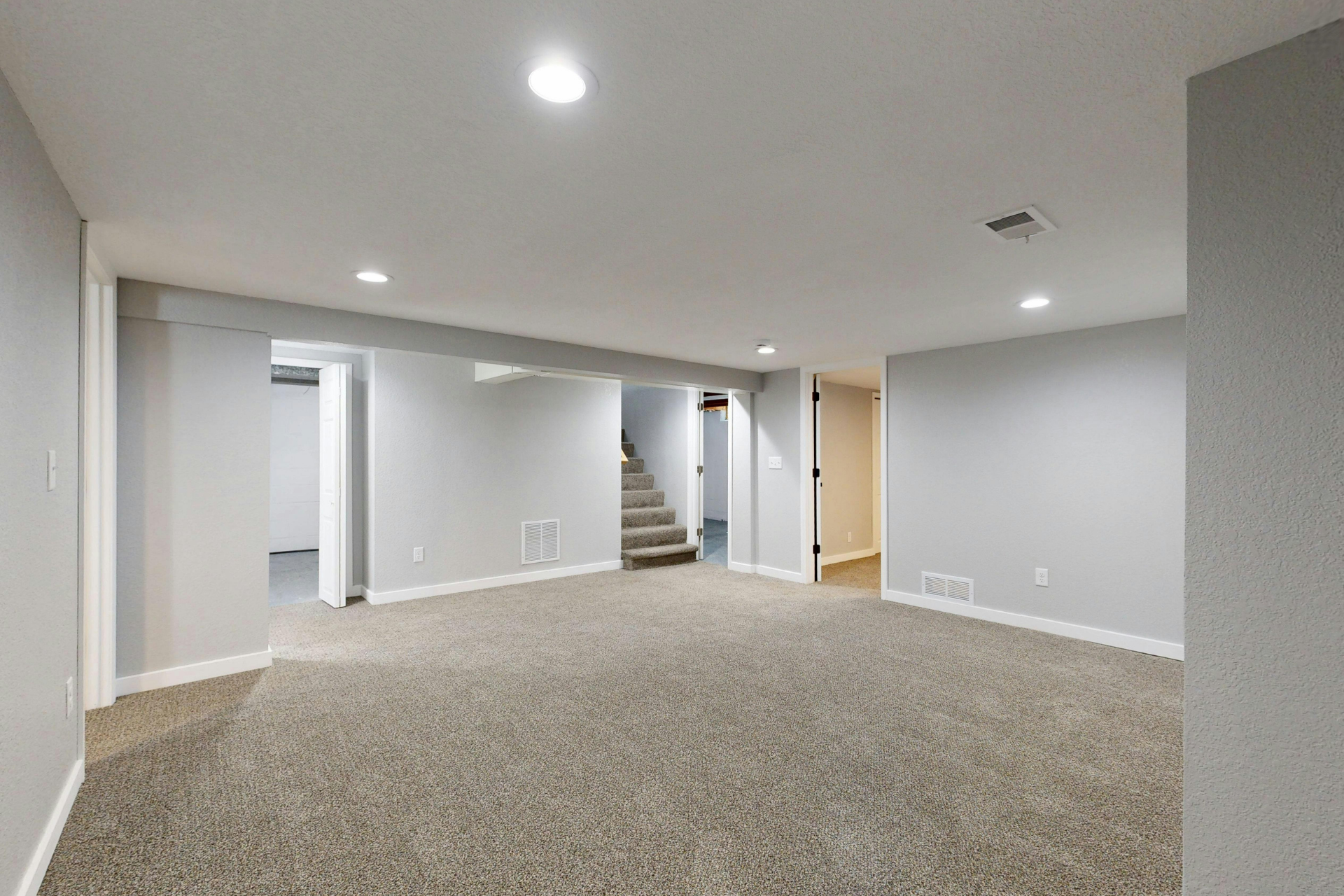
Empty finished basement with carpeted floor, recessed lights, staircase, and gray walls

What Is Actually Happening When Your Carpet Smells After Cleaning

Carpet is a layered system. From top to bottom you have the visible fiber, the primary backing that holds the fiber tufts, a layer of latex adhesive, the secondary backing, and below that the padding, and finally the subfloor. When organic material like pet urine, food spills, body oils, or biological debris gets into carpet over time it does not stay in the fiber layer. It migrates downward through capillary action until it reaches the backing and padding where it dries and becomes relatively dormant.


When steam cleaning introduces hot water into the carpet system, that moisture migrates downward the same way the original contamination did. It contacts the dried organic material in the backing and padding and rehydrates it. Rehydrated organic material releases odor compounds into the air. This is sometimes called the wet dog smell that people notice after cleaning, but it applies to any organic contamination that was present in the lower layers before the cleaning started.


The technical term for this is wicking. The contamination in the lower layers wicks back upward through the fiber as the carpet dries, bringing the odor compounds with it to the surface. In Everett's higher humidity environment during fall and winter months, the wicking process is slower because the carpet dries more slowly, which extends the period during which odor compounds are migrating and releasing.

Why This Happens More in Everett Than in Drier Climates

Everett homeowners are more likely to encounter post-cleaning odor issues than homeowners in drier parts of the country for two specific reasons. First, Everett's elevated indoor humidity slows carpet drying significantly after cleaning. The longer the carpet stays damp after cleaning, the longer organic compounds in the backing have time to wick to the surface and release odor. Second, Everett homes during the wet season have existing elevated moisture levels in carpet padding from tracked-in moisture and indoor humidity, which means the contamination in the lower layers is never fully dormant the way it would be in a dry climate home. It is already partially active before the cleaning even begins.


This does not mean carpet cannot be cleaned effectively in Everett during wet months. It means the cleaning approach needs to account for subsurface contamination specifically, and the drying process needs active management after the cleaning is complete.

The Pre-Inspection Step That Prevents Post-Cleaning Odor

The way to prevent post-cleaning odor in an Everett home is to identify subsurface contamination before the steam cleaning begins and treat it appropriately before introducing hot water into the carpet system.


At Principles Pro Services, we walk the carpet before every job and uses UV light in areas where pet contamination is suspected. Under UV light, urine contamination in carpet fiber fluoresces and reveals exactly how large the affected zone is, which is consistently larger than the visible stain on the surface. A visible spot the size of a dinner plate on the carpet surface frequently corresponds to a contaminated zone twice that size in the backing below.


Once the contamination zones are mapped, we apply enzyme treatment to those areas and allow the required dwell time before the steam cleaning pass begins. This matters because steam cleaning over untreated pet contamination or biological debris does not remove the odor compounds. It rehydrates and reactivates them and then extracts a portion of them, leaving the rest to wick back as the carpet dries. Enzyme treatment breaks down the uric acid compounds and biological material chemically before steam cleaning extracts the treated residue.


Companies that skip the pre-inspection and go straight to steam cleaning are the most common source of post-cleaning odor complaints in our area.

What To Do If Your Carpet Smells Worse After Someone Else Cleaned It

If you are reading this because a different cleaning company just left your Everett home and the carpet smells worse than before they arrived, here is what is happening and what can be done about it.


The steam cleaning pass has reactivated contamination in the backing and padding. As the carpet dries, that contamination is wicking to the surface. The first thing to do is maximize airflow in the home to accelerate drying. Open windows, run ceiling fans, and direct portable fans toward the affected areas. The faster the carpet dries, the less time odor compounds have to migrate and the less severe the smell will be once the carpet reaches equilibrium.


If the odor persists after the carpet is fully dry, the contamination in the backing was not removed by the cleaning and is now sitting at or near the surface of the fiber where it will reactivate every time humidity rises or heat is applied to the area. At that point a targeted enzyme treatment followed by professional extraction is needed to address what the original cleaning left behind.


This is a job we handle regularly for Everett homeowners who had carpet cleaned by another company and are dealing with the aftermath. Oswaldo can assess the situation, identify what contamination is present and where, and give you an honest answer about what treatment will resolve it before we do any additional work.

 Frequently Asked Questions

  • How long should it take for the carpet smell to go away after cleaning?

    In a home with good airflow and no subsurface contamination issues, any mild odor from the cleaning process should clear within four to eight hours as the carpet dries. If a significant odor persists after the carpet is completely dry, the source is in the backing or padding, not the cleaning solution, and it needs to be addressed with enzyme treatment.

  • Can I use baking soda to neutralize the smell after carpet cleaning?

    Baking soda absorbs surface odors temporarily but does not address the odor compounds in the backing or padding. It is not a solution for post-cleaning odor that originates below the fiber surface. Using it will make the carpet smell better temporarily and then the odor will return.

  • Is post-cleaning odor a sign that the cleaning company did something wrong?

    Not always. In homes with existing subsurface contamination that was not identified before cleaning, the cleaning process itself reactivates that contamination. A thorough pre-inspection with UV light assessment should identify that contamination and prompt enzyme pre-treatment before cleaning begins. If that step was skipped, the outcome was predictable and preventable.

  • Will the smell go away on its own if I just wait?

    It depends on the source. If the odor is from cleaning solution residue or surface-level reactivated compounds, it may diminish significantly as the carpet fully dries. If the odor source is in the backing or padding, it will reduce temporarily as the carpet dries and then return the next time humidity rises or heat is applied to the area. Waiting is not a reliable resolution for subsurface contamination.

How Padding Affects Post-Cleaning Odor in Everett Homes

Carpet padding is the most overlooked variable in post-cleaning odor situations. Padding is an open-cell foam or fiber material that absorbs liquid readily and releases it slowly. Urine that saturates through the carpet and into the padding cannot be fully addressed by cleaning the carpet above it because the cleaning equipment is not designed to extract from the padding layer.


In severe contamination cases, the odor will return after every cleaning because the source of the smell is in the padding, not the carpet. The only resolution in those situations is removing the affected carpet section, replacing the contaminated padding, treating the subfloor if contamination has reached it, and reinstalling carpet.


Oswaldo can identify during the pre-inspection whether padding saturation is likely based on the history of contamination in the area and give you an informed recommendation before you invest in cleaning that will not fully resolve the problem.

Recent Posts

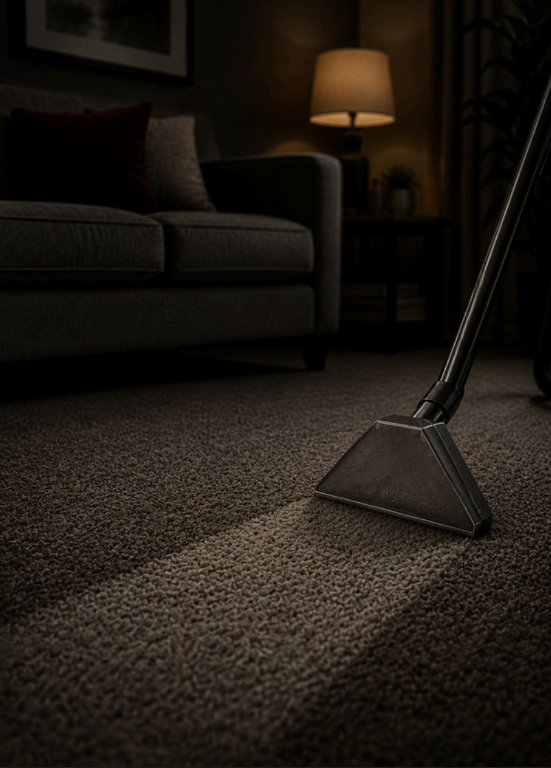
Carpet cleaner vacuuming a dim living room beside a sofa and lamp.
June 27, 2026
Learn why truckmount carpet cleaning delivers hotter water, stronger extraction, and faster drying than portable units in Everett, WA.
June 16, 2026
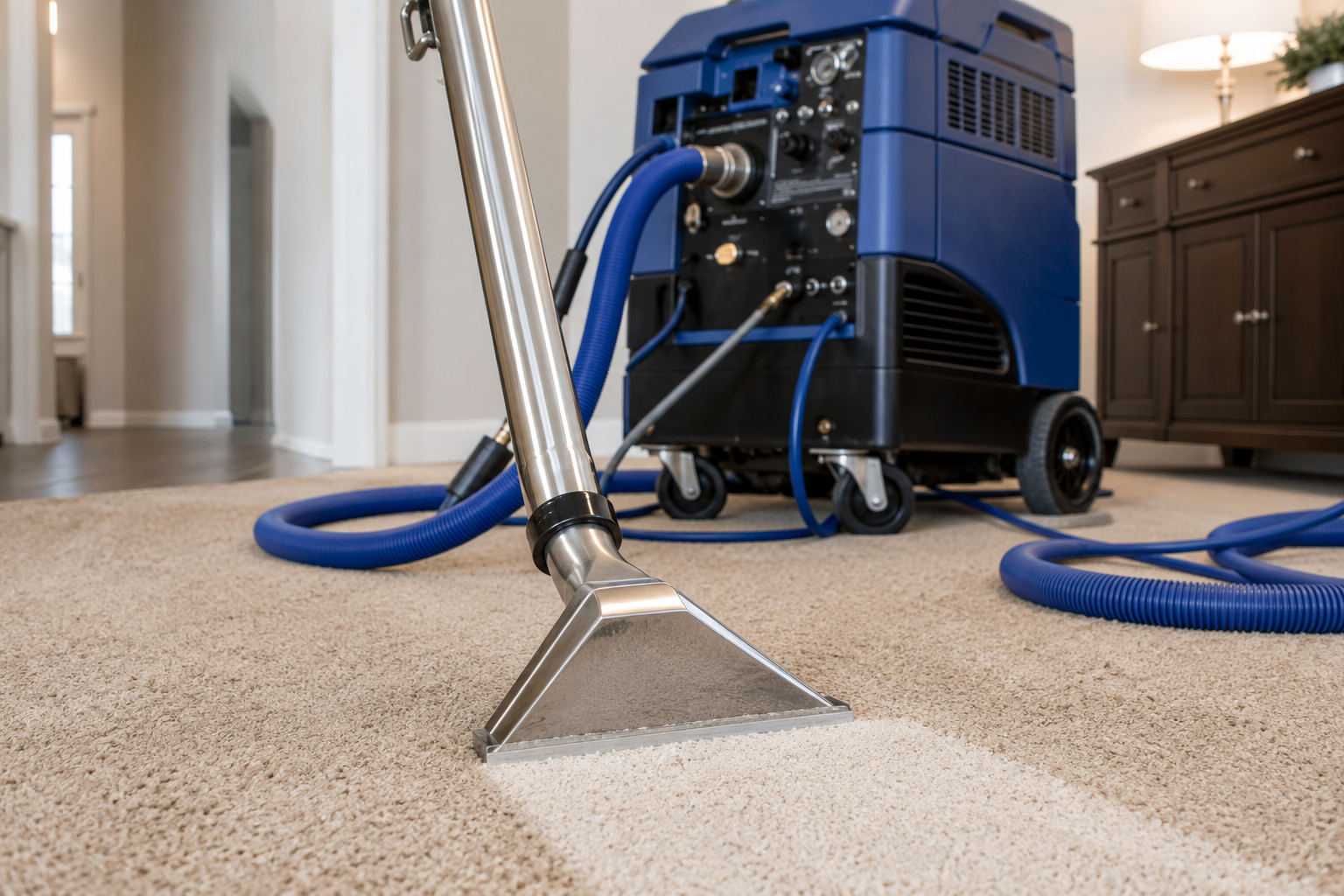
The type of equipment a carpet cleaning company uses in Everett, WA makes a more significant difference in your cleaning outcome than most homeowners realize before they book. Truckmount carpet cleaning equipment and portable carpet cleaning units operate on the same general principle of hot water extraction but produce results that are not comparable in terms of water temperature, suction power, and the amount of moisture left in your carpet when the technician leaves. Understanding the difference before you hire a company in Everett protects you from paying for a result that does not match what you were expecting.
June 16, 2026
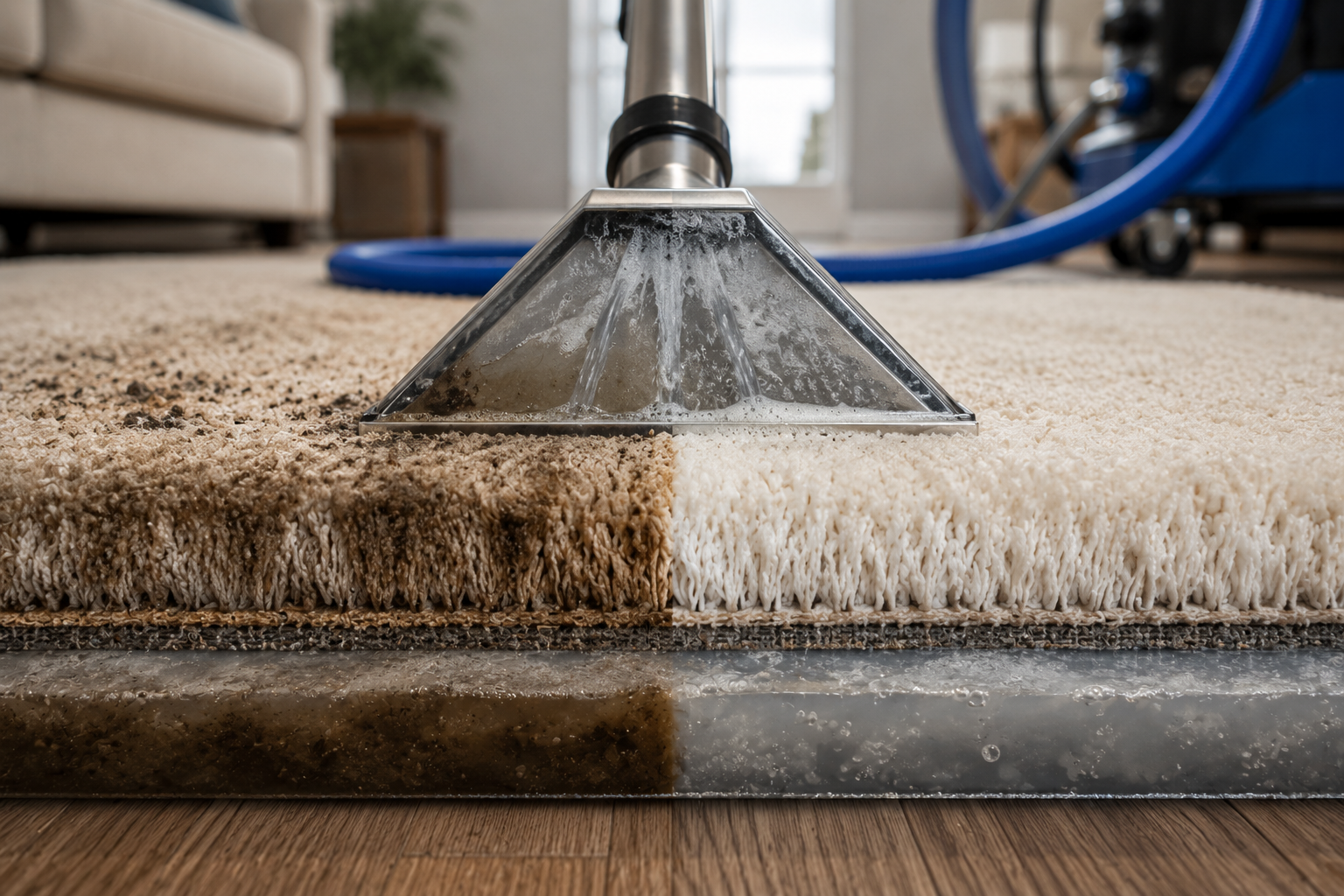
Hot water extraction is the carpet cleaning method recommended by every major carpet manufacturer in the United States and required by most carpet warranties to remain valid. In Everett, WA, where wet Pacific Northwest conditions accelerate soiling and moisture-related contamination in carpet fiber, hot water extraction consistently outperforms every alternative cleaning method for the specific soil profile that Everett homes accumulate. Understanding what the method actually does to your carpet explains why the results last longer and clean deeper than dry cleaning, bonnet cleaning, or consumer shampoo machines.