How Often Should You Really Clean Your Carpets? | Carpet Cleaning Guide
What Happens When Carpets Aren’t Professionally Cleaned?

Ask this question online and you'll get a range of answers from "once a year" to "every 18 months" to "whenever it looks dirty." The truth is more nuanced — and ignoring it is costing your carpets years of life.
Why "When It Looks Dirty" Is the Wrong Standard
Carpets are remarkably good at hiding what they're holding. By the time visible soiling appears on the surface, the carpet fibers have already been accumulating dry soil, allergens, dust mites, dead skin cells, and microbial growth for months. The top surface stays relatively clean because foot traffic packs the soil down into the base of the pile — which is exactly where the most damage occurs.
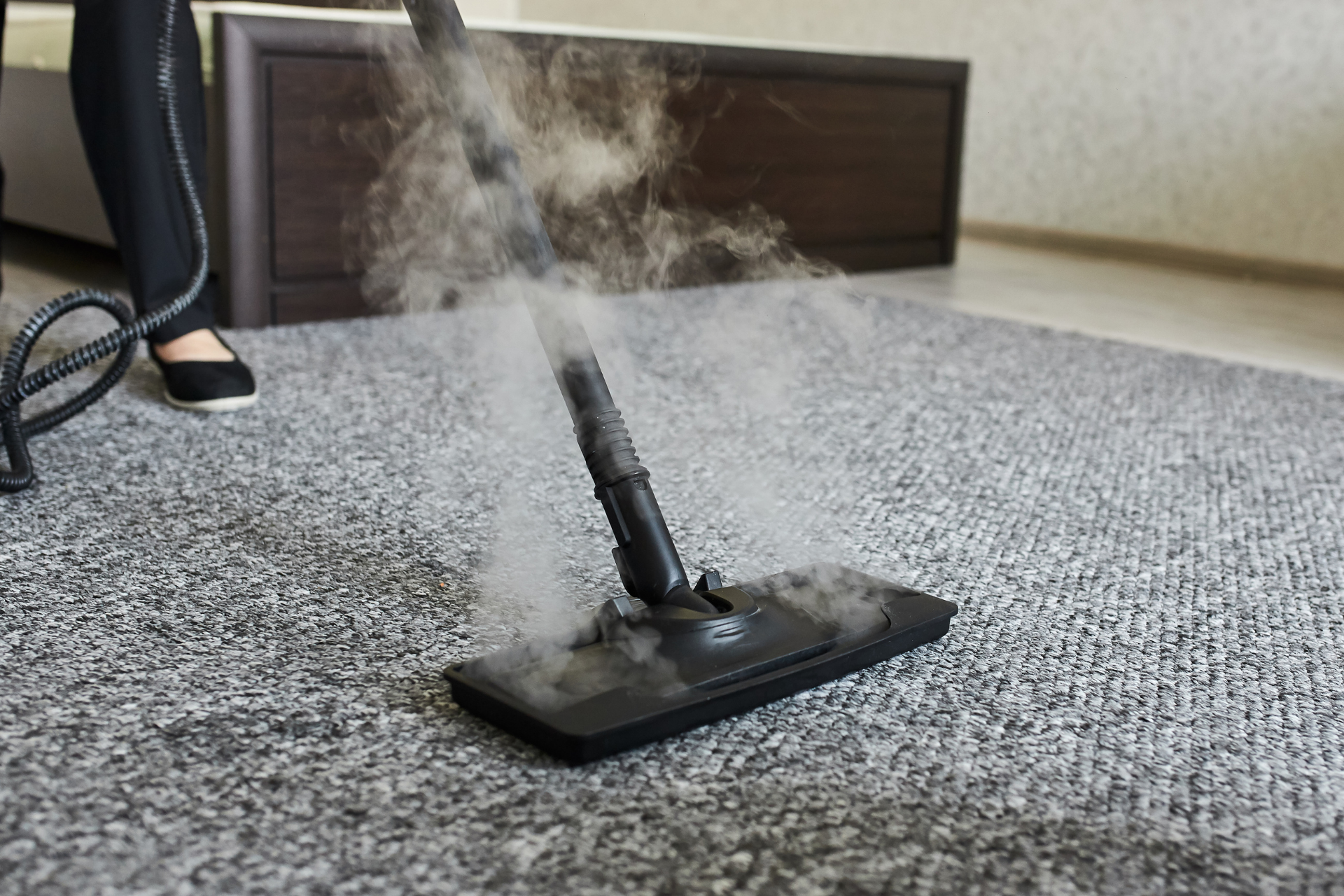
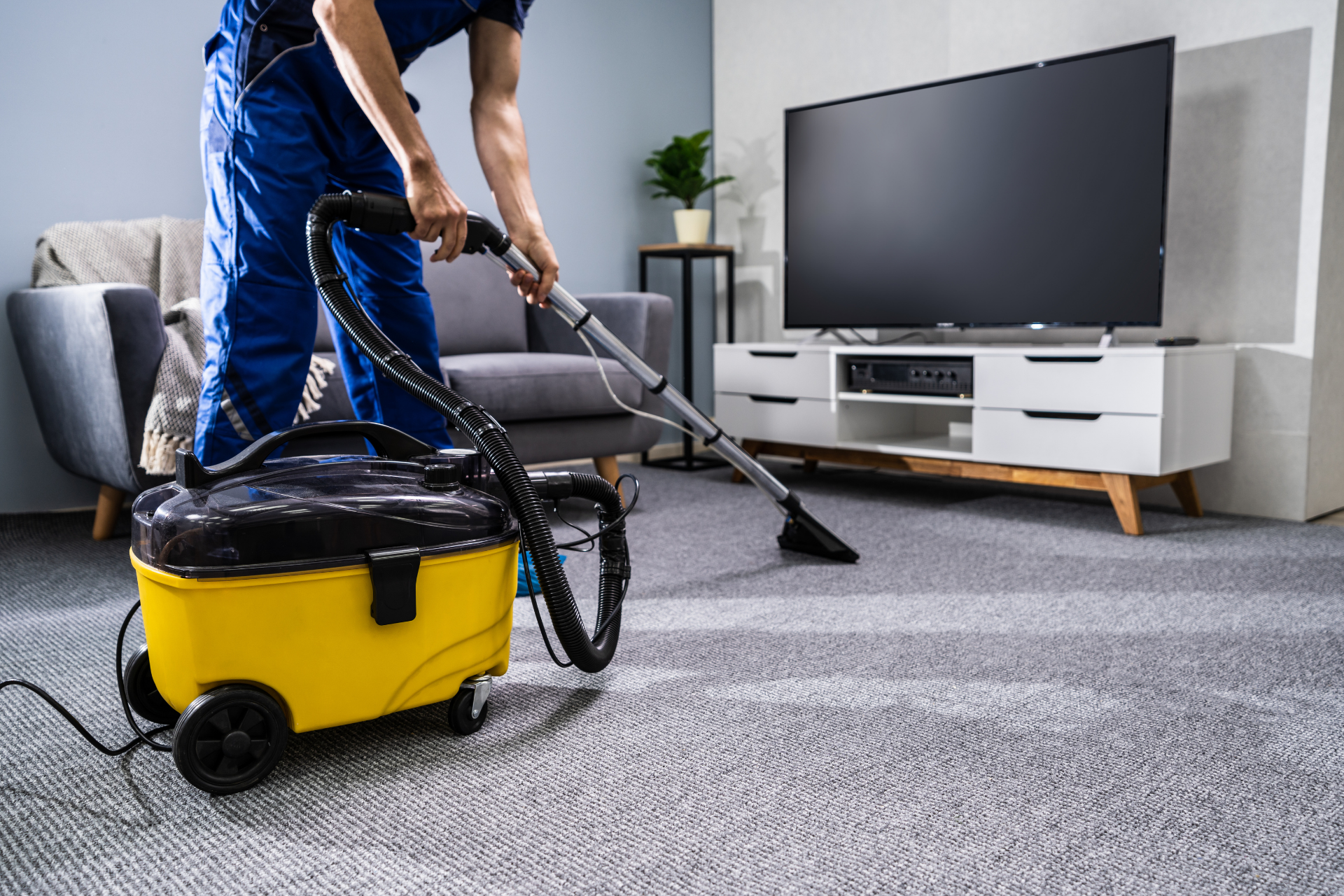
Embedded abrasive grit — brought in on shoes and ground into the carpet with every footstep — acts like sandpaper on fiber bases. This is the primary cause of premature carpet wear and the reason high-traffic areas develop that flat, matted look years before they should. No amount of vacuuming reaches this deep grit effectively. Only professional hot-water extraction can flush it out.
A Practical Schedule Based on Your Household
Single Adult, No Pets
- Professional carpet cleaning every 18–24 months
- Weekly vacuuming on main carpeted areas
- Monthly vacuuming for low-traffic rooms
Couple or Small Family
- Professional carpet cleaning every 12–18 months
- Twice-weekly vacuuming on main areas
- Use doormats at all entry points
Household With Children
- Professional carpet cleaning every 6–12 months
- Daily or near-daily vacuuming on heavily used areas
- Spot-clean spills immediately to help prevent stains
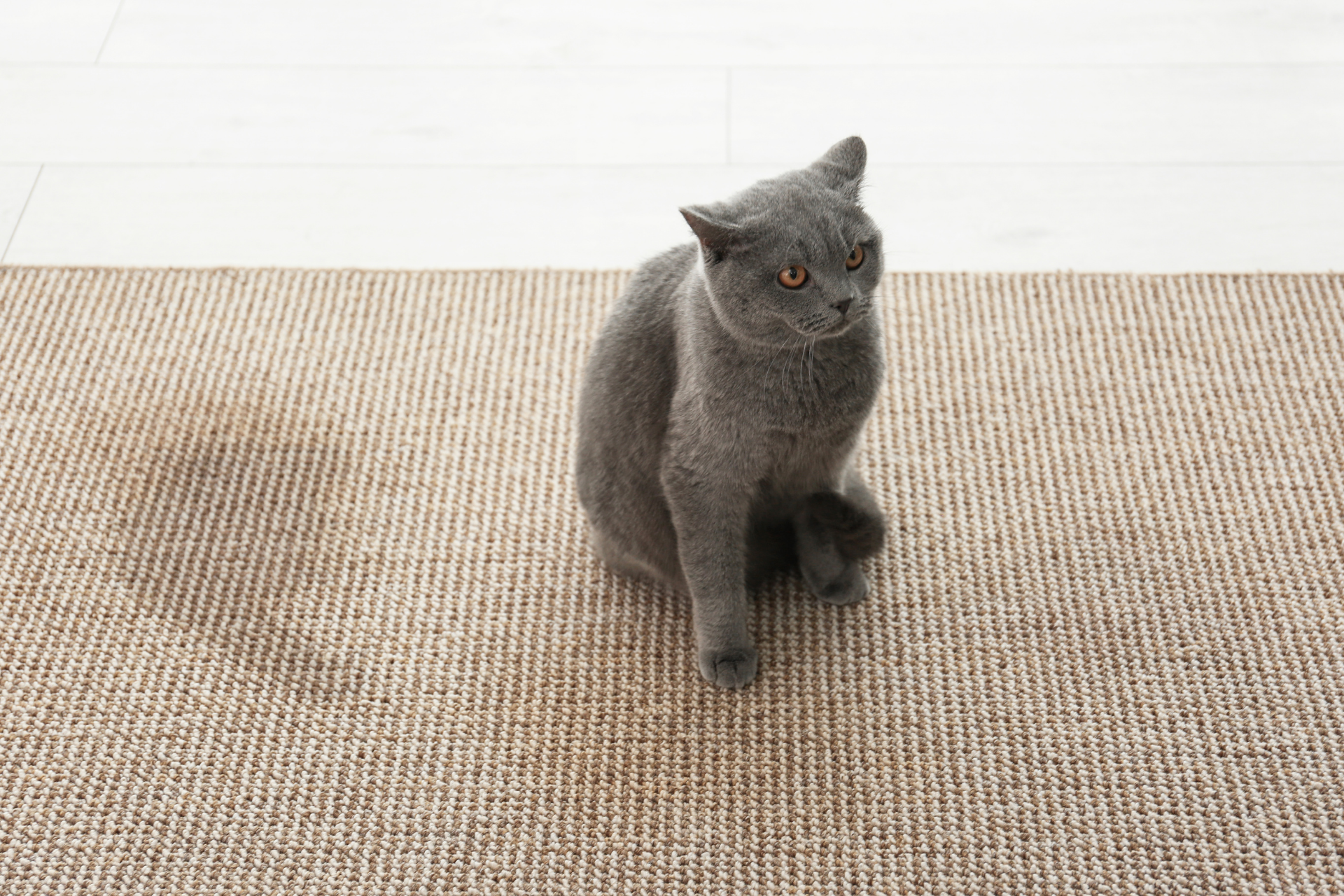
Household With Pets
- Professional carpet cleaning every 6 months minimum
- Daily vacuuming recommended
- Enzyme pre-treatment for pet accident areas before professional cleaning visits
What About Upholstery?
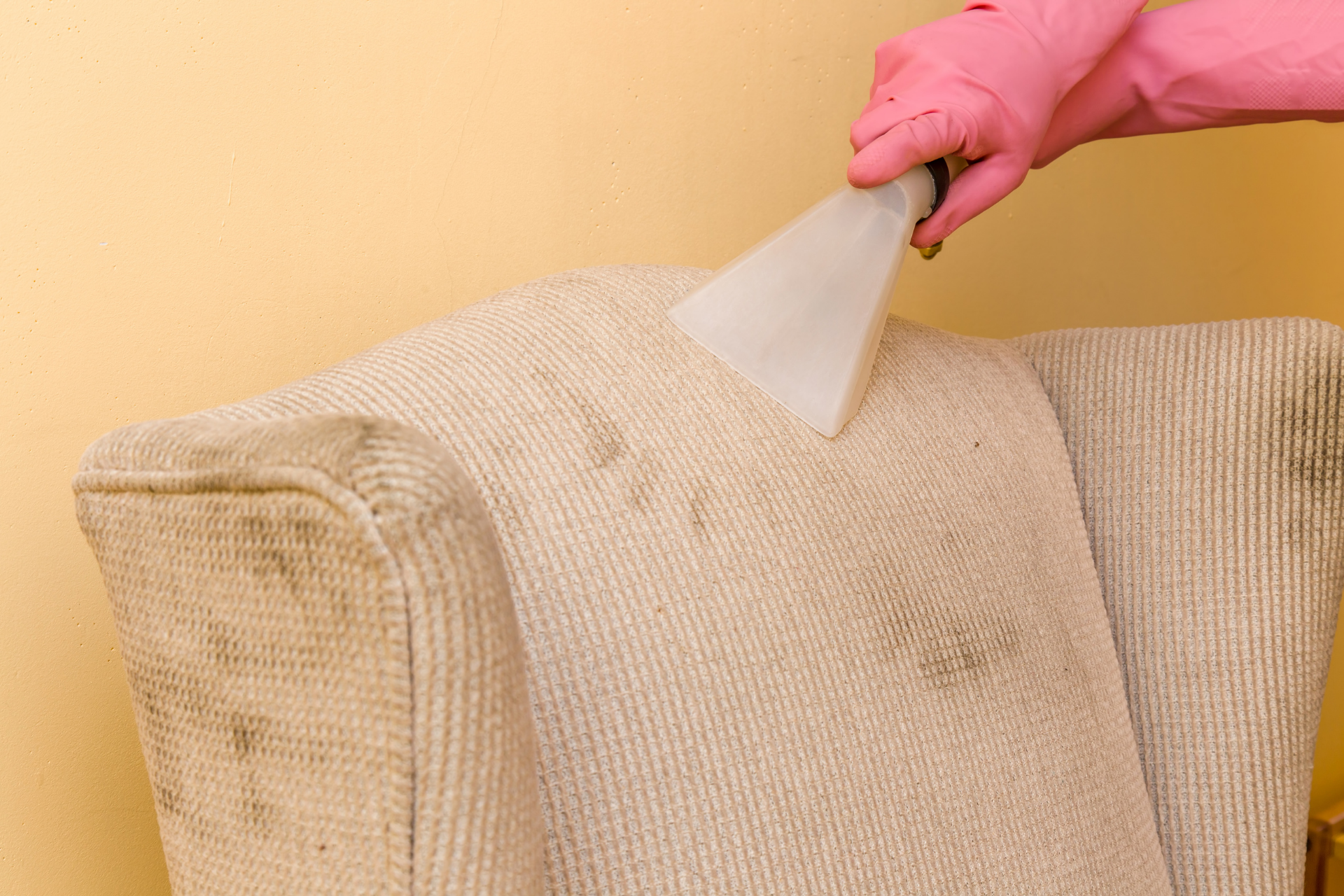
Upholstery is cleaned far less frequently than carpets by most households — and far less frequently than it should be. Sofas and fabric chairs absorb body oils, sweat, food particles, pet dander, and dust mites at rates comparable to carpets, but most people clean them only when a visible stain appears.
A reasonable upholstery cleaning schedule is once every 12–24 months for professional cleaning, depending on usage. Households with pets or allergy sufferers should lean toward the annual end. Between professional visits, regular vacuuming with an upholstery attachment removes surface debris and reduces allergen load significantly.