How to Remove Deep Pet Urine Odor From Carpet
Why Professional Carpet Cleaning Is Necessary

Pet accidents on carpets and sofas are the number one reason people search for cleaning help online — and unfortunately, some of the most popular advice out there will make the problem worse, not better.
Why Pet Urine Is a Different Beast
Pet urine is not just "liquid on fabric." It contains uric acid crystals, bacteria, proteins, and in cats, sulfur-based compounds that produce a skunk-like odor at the molecular level. These elements don't simply evaporate when the wet spot dries. Instead, the uric acid crystals bond to carpet fibers and reactivate every time humidity rises — which is why a room can smell fine for weeks, then assault your nose on a rainy afternoon.
Understanding this chemistry explains why so many home remedies fail. Most products sold in stores, and most DIY concoctions found online, are designed to mask odors, not eliminate the compounds causing them. The smell returns because the source was never removed.
MYTH: “Baking soda and white vinegar will neutralize pet urine odor for good.”
FACT: Vinegar may temporarily reduce odor, but it cannot break down uric acid crystals. Only enzyme-based cleaners can properly digest and remove odor compounds at their source.
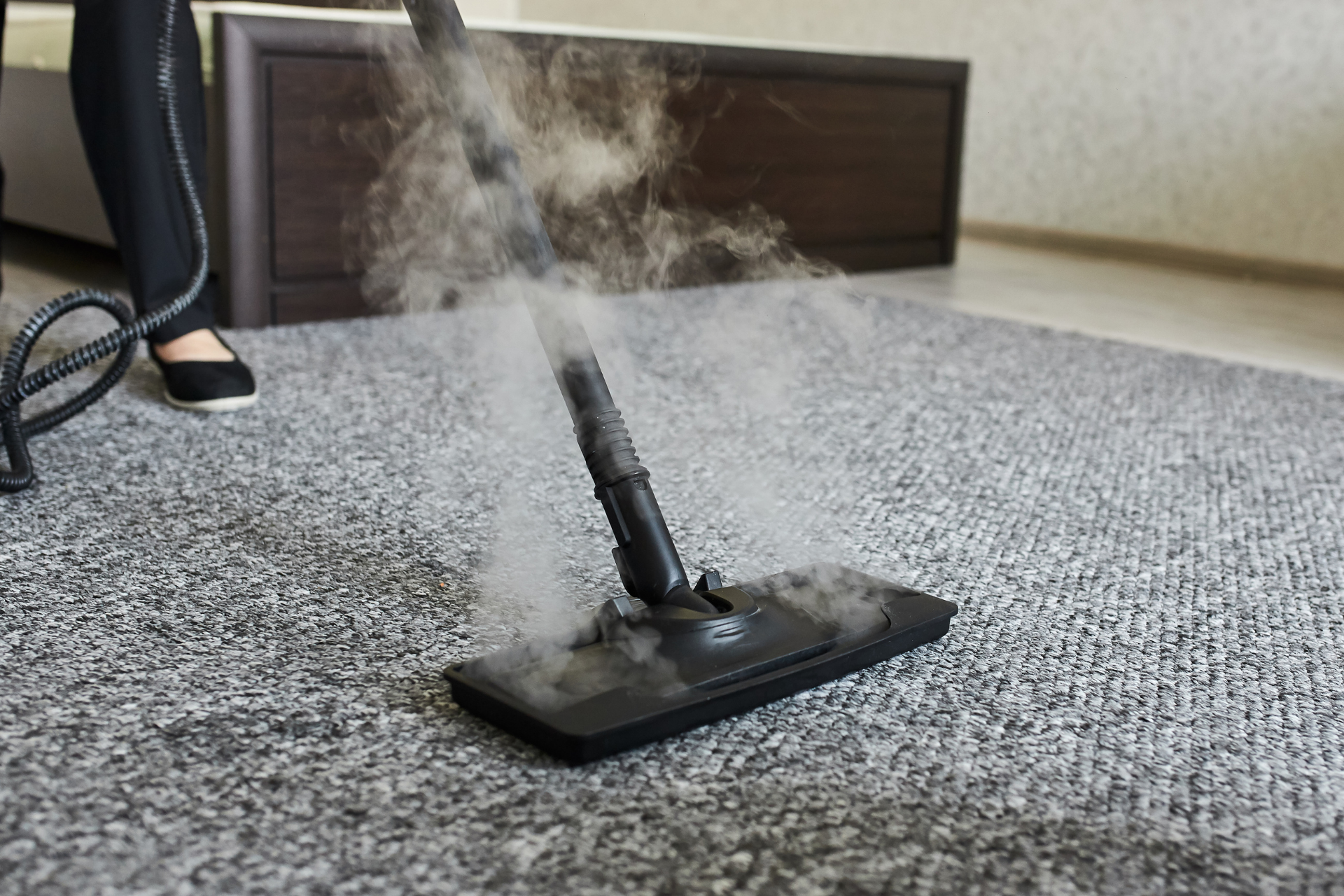
MYTH: “Steam cleaning will kill the bacteria and get rid of the smell.”
FACT: Heat can actually bond uric acid crystals more firmly to carpet fibers. Steam cleaning without proper pre-treatment may permanently set the odor into the carpet.
The Correct Approach, Step by Step
- Act immediately. The faster you respond, the less the urine penetrates into the backing and padding. Blot — never scrub — with clean white cloths until you've absorbed as much liquid as possible.
- Apply an enzyme-based cleaner. These products contain biological enzymes that literally digest the uric acid compounds. Soak the area generously — the enzyme cleaner needs to reach wherever the urine reached, including the padding if it soaked through.
- Allow full dwell time. Most enzyme cleaners need 10–15 minutes of contact time minimum. Covering the area with a damp cloth prevents the product from drying out too fast.
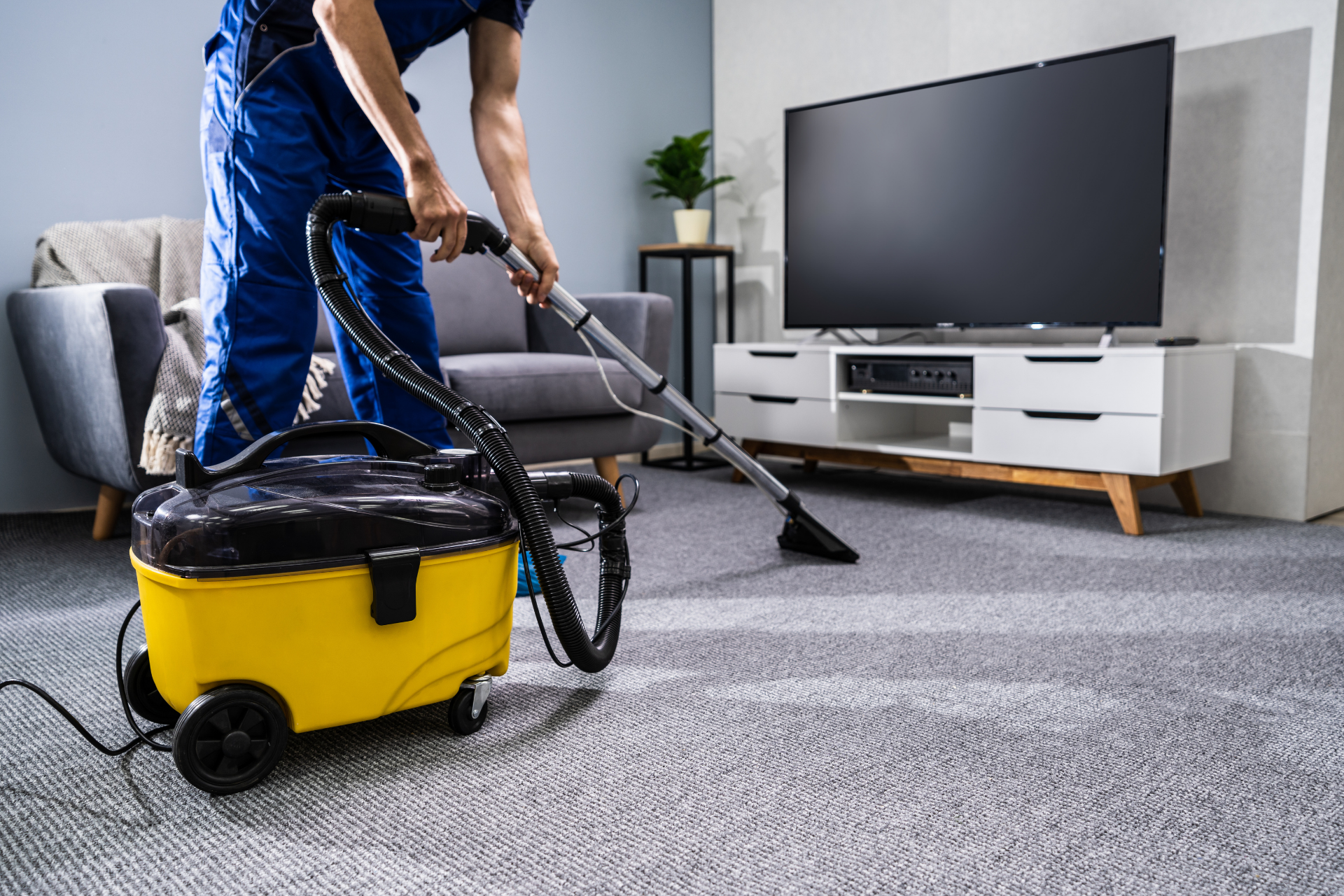
- Extract, don't just blot dry. Use wet-vac extraction to pull out both the urine residue and the cleaner. Simply leaving it to air-dry leaves residue behind.
- Know when to call a professional. If the urine has soaked into the padding, DIY treatment only addresses the top layer. Professional injection-extraction can treat the full depth of the contamination.
When DIY Is No Longer Enough
If an area has been soiled repeatedly over time, or if the odor persists after two rounds of enzyme treatment, the urine has most likely saturated the carpet backing and padding. At this stage, professional-grade extraction with sub-surface injection tools is the only effective solution. In severe cases, the padding may need to be replaced entirely — something no amount of consumer cleaning can avoid.