
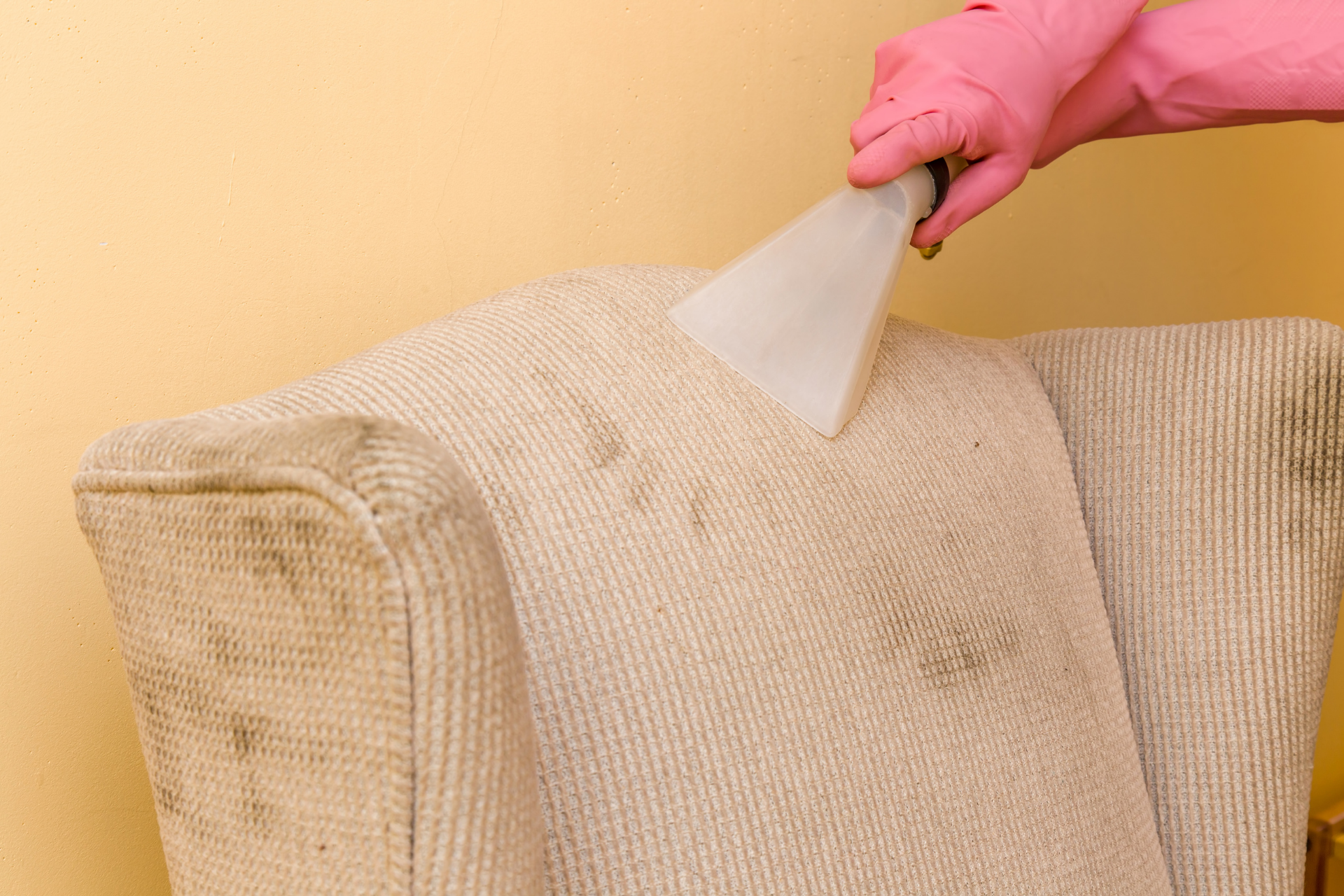
Why Your Sofa Looks Worse After Cleaning

Why Your Sofa Looks Worse After Cleaning (And How to Fix It)

Gloved hands using pruning shears to cut green plants in a garden, with sunlight in the background

You cleaned your couch, let it dry, and now there are strange rings, patches, or a stiff, rough texture. You're not imagining it — and you're not alone. This is one of the most common upholstery complaints online.

The Phenomenon Nobody Warns You About

You'll find threads about this in every home cleaning community: someone spent an afternoon scrubbing their fabric sofa, and now there are water rings or pale patches where the stain used to be. Or the fabric feels crunchy and matted. This is so common it has a name among professionals — wicking and over-wetting — and both are caused by the same mistake: too much moisture, applied the wrong way.


Upholstery fabric is fundamentally different from carpet. Carpet pile is deep and designed to handle high-volume moisture and extraction. Upholstery fabric, especially on sofas and chairs, is woven over dense foam padding that absorbs liquid readily and releases it slowly. When you wet the surface, moisture soaks down into the cushion — and as it dries from the outside in, it carries dissolved soils, cleaning residue, and mineral deposits back up to the surface. The result is a new stain made of whatever was already hiding in the foam.

Reading Your Upholstery Code First

Every piece of upholstered furniture has a cleaning code attached — usually on a tag under a cushion or on the frame. These codes are not suggestions. They define what your fabric can safely handle, and using the wrong method can void the stain permanently.


  • W — Water-based cleaning only. Safe for water-based solutions. Still doesn't mean you can soak it freely.
  • S — Solvent-based cleaning only. Water will damage or ring-stain this fabric. Use only dry-cleaning solvents.
  • W/S — Either method is safe, but still use minimal moisture regardless.
  • X — Vacuum only. No liquids of any kind. Professional dry cleaning only when needed.

Always spot test any cleaning solution on a hidden area — the back panel or under a removable cushion — before applying to a visible surface. Let it dry completely and check for color change, stiffness, or water rings before proceeding.

How to Clean Upholstery Without Making It Worse

he core principle is minimal moisture with maximum agitation. Use as little liquid as possible, work in small sections, and always dry aggressively:


  • Vacuum thoroughly first. Remove dry soil and debris with an upholstery attachment. This alone handles a significant amount of what looks like "dirt."
  • Use a foam-based or low-moisture cleaner for spot treatment. Foam sits on the surface rather than soaking in, making it far easier to control moisture levels.
  • Blot, never scrub. Scrubbing spreads the stain, forces it deeper, and damages fabric weave. Blot from the outside edge of the stain inward to prevent spreading.
  • Dry immediately with fans. Point a fan directly at the cleaned area and keep it running until completely dry. In humid conditions, a dehumidifier helps prevent wicking significantly.

When to Hand It to a Professional

If your sofa is coded S or X, has delicate fabric like velvet, silk-blend, or linen, or has already been damaged by a previous cleaning attempt, a professional upholstery technician is the only appropriate path. Professionals use low-moisture hot water extraction and industry-grade drying equipment that eliminates the wicking problem almost entirely — and they understand fabric chemistry well enough to know which products to use and which to avoid entirely.

Recent Posts

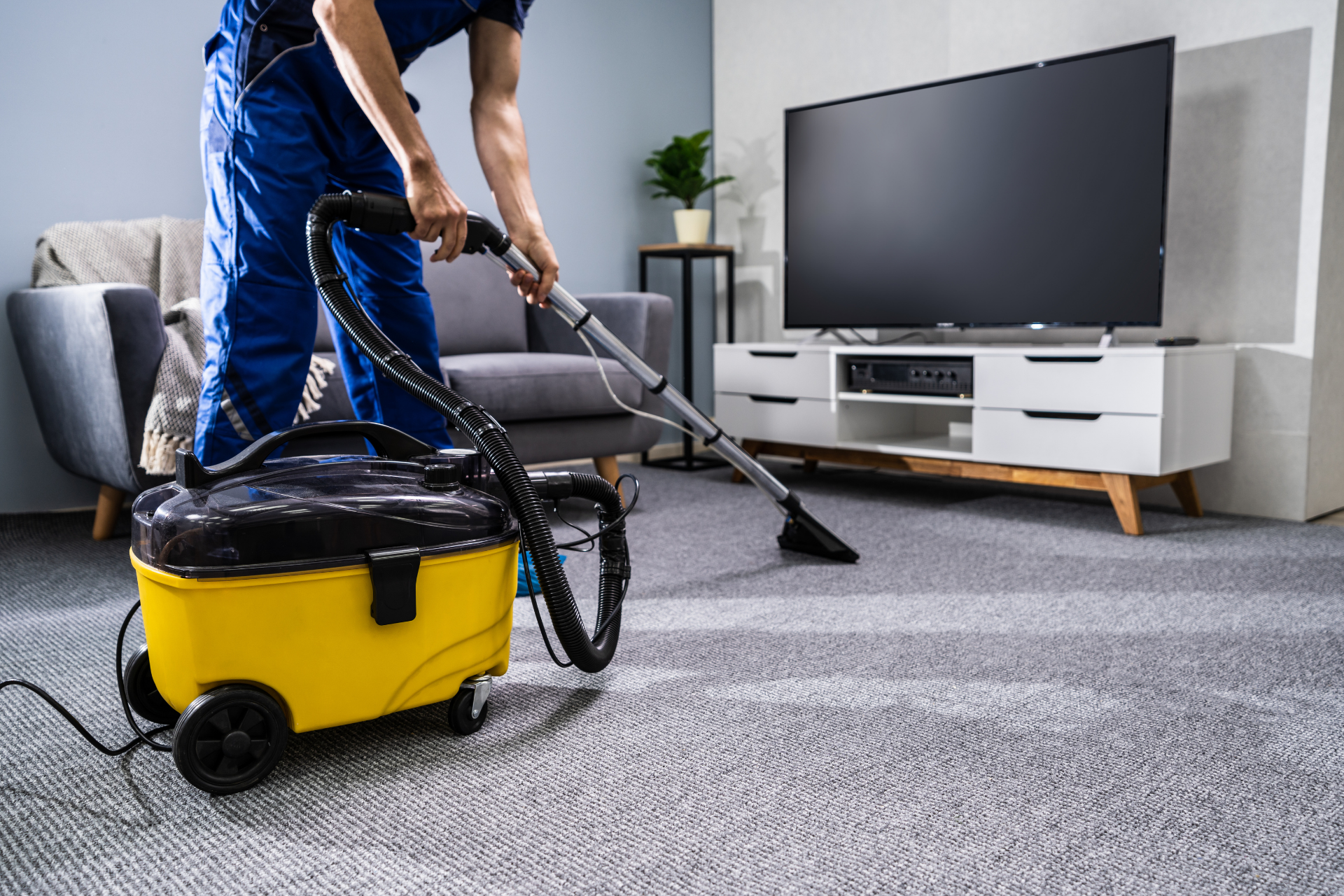
Person vacuuming a gray carpet in a modern living room with a yellow canister vacuum.
April 14, 2026
Discover the difference between DIY and professional carpet cleaning, including stain removal, drying time, and deep cleaning results.
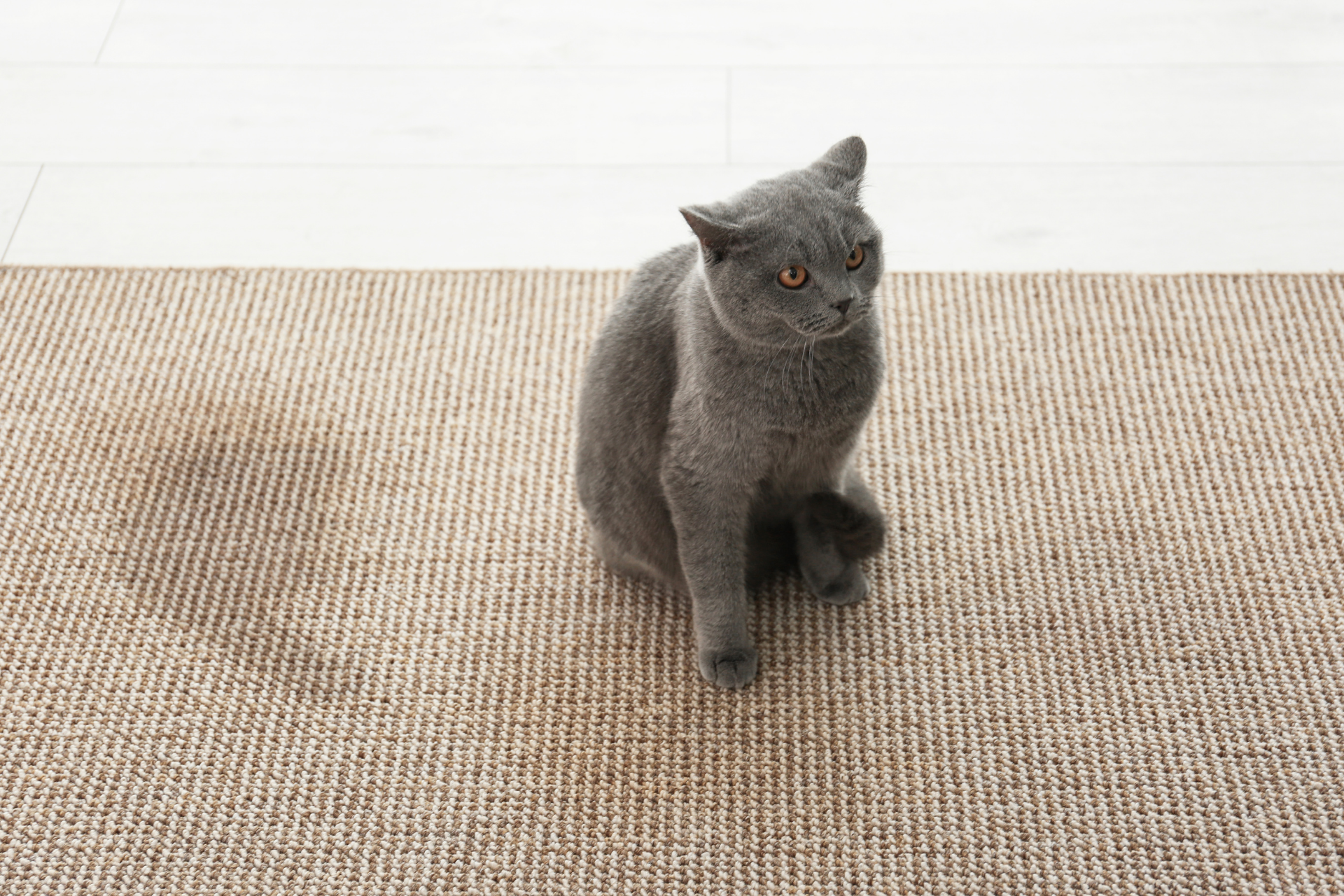
Gray cat sitting on a beige rug against a white wall, looking at the camera
April 14, 2026
Learn why pet urine odors return after DIY cleaning and when professional carpet cleaning is necessary to remove deep contamination permanently.
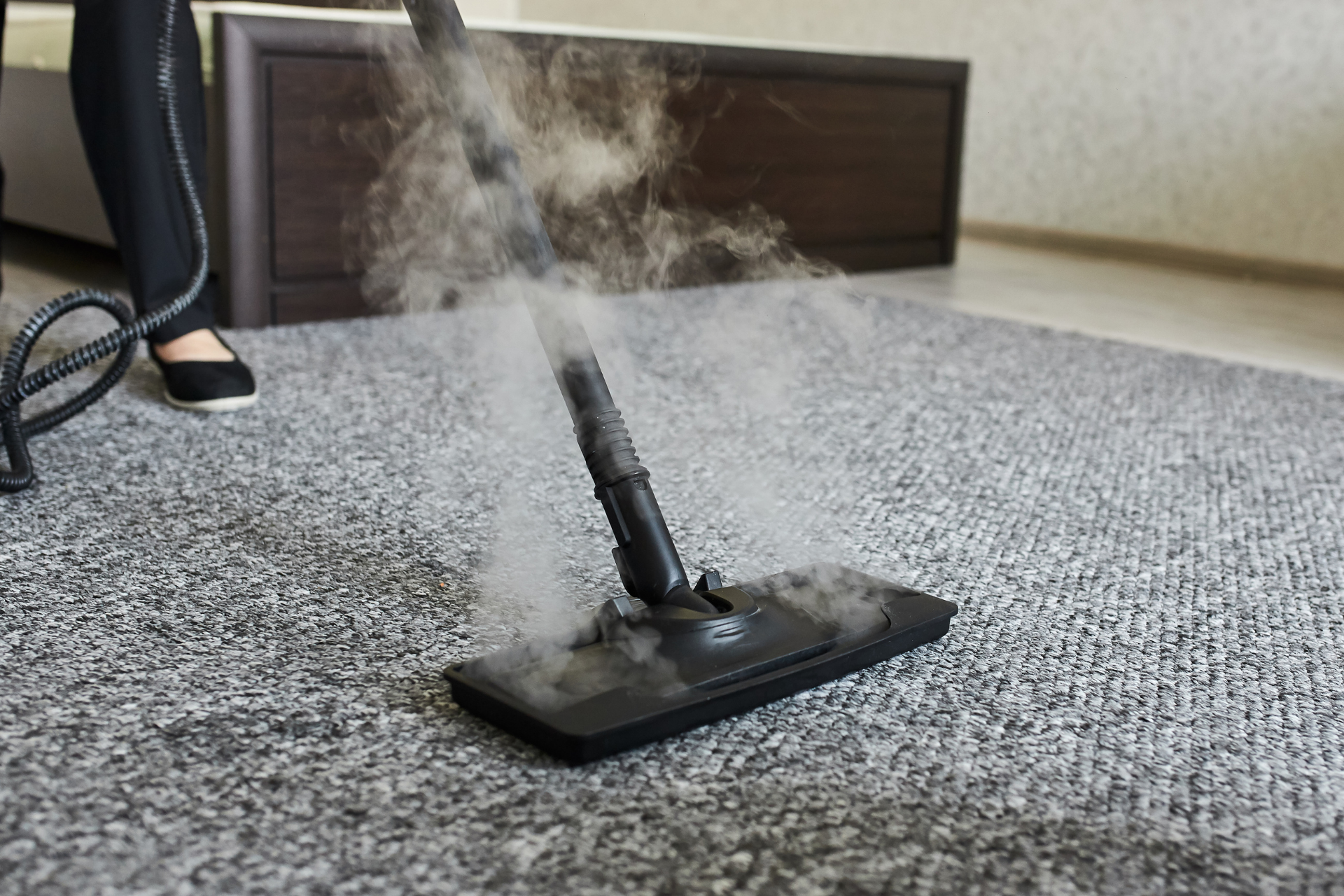
A black phone on carpet with steam rising from it, near a person’s foot and a bed frame.
April 14, 2026
Learn how often carpets and upholstery should really be professionally cleaned to maintain cleaner and longer-lasting carpet surfaces.