
What’s in Your Carpet? Improve Everett Air Quality (2026)
Your carpet acts as a giant environmental filter, trapping allergens like dust mites, pet dander, pollen, and bacteria deep within its fibers. Over time, these particles accumulate, significantly degrading indoor air quality. Regular professional carpet cleaning in Everett using IICRC-certified steam methods is the most effective way to remove these pollutants and maintain a healthy home.
What is actually hiding deep inside your carpet fibers?
When you walk across your living room in Everett, you might see a clean surface, but beneath that exterior lies a complex ecosystem of microscopic debris. Carpets are designed to be soft and inviting, yet their structure makes them the perfect trap for airborne particles. In the Pacific Northwest, our unique climate contributes significantly to what settles into our floors. High humidity levels and frequent rainfall mean that we often track in more than just dry dirt; we bring in moisture-laden organic matter that can settle deep into the backing of the carpet.
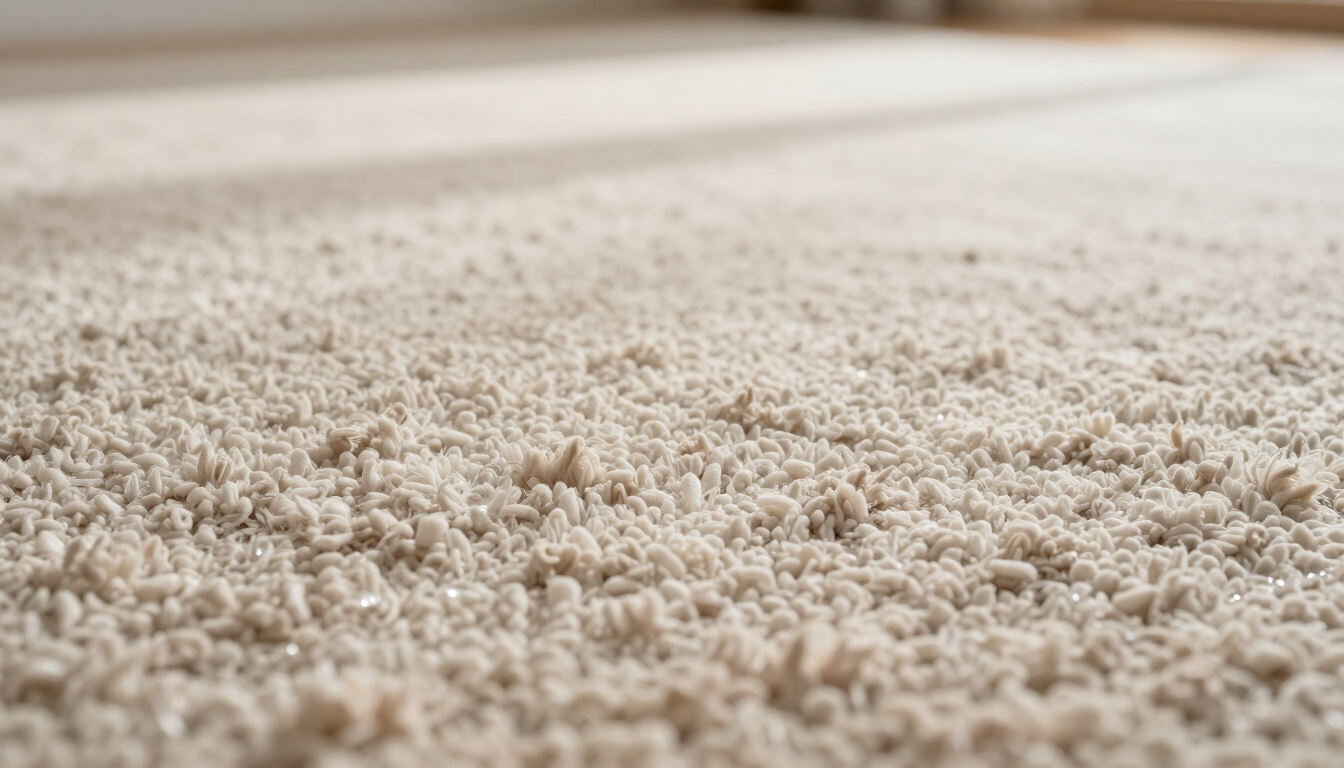
Research indicates that a typical carpet can hold up to eight times its weight in dust, dirt, and allergens before it even begins to look dirty. This includes human skin scales—the primary food source for dust mites—and microscopic fungal spores. In Everett, where we enjoy a mix of urban and natural landscapes, your carpet likely contains a cocktail of localized pollutants. This might include fine particulate matter from traffic, cedar and Douglas fir pollen, and even traces of heavy metals tracked in from outside. Because these particles are heavy, they drop out of the air and become embedded in the carpet pile, where they remain until agitated by footsteps or professional cleaning.
Furthermore, the "bio-load" of a carpet increases daily. Every person and pet that enters the home contributes to the accumulation. For families in Everett, this means the carpet isn't just a floor covering; it’s a reservoir for everything that has entered the home over the past several months. Understanding that your carpet is a high-capacity filter is the first step in realizing that, like any filter, it requires regular deep cleaning to function effectively and keep your family safe from respiratory irritants.
How does carpet impact indoor air quality in Everett homes?
Indoor air quality (IAQ) is a growing concern for homeowners, especially as we spend more time indoors during the rainy Washington winters. The relationship between your carpet and the air you breathe is symbiotic. When the carpet is clean, it effectively traps dust and keeps it from circulating in the breathing zone. However, once the carpet reaches its capacity—a state known as "filter loading"—it can no longer hold onto these particles. At this point, every step taken on the carpet acts like a bellows, puffing clouds of allergens and dust back into the air.
This phenomenon is particularly problematic for residents with asthma or allergies. In Everett, the damp climate can also lead to higher concentrations of mold spores and mildew within the carpet base if moisture isn't properly managed. When these biological contaminants are kicked back into the air, they can cause a variety of health issues, ranging from simple sneezing and itchy eyes to more severe respiratory distress. The Environmental Protection Agency (EPA) has noted that indoor air can be two to five times more polluted than outdoor air, and the state of your flooring is a major factor in that statistic.
Maintaining high indoor air quality requires a proactive approach. By utilizing professional steam carpet cleaning , you are essentially "resetting" your home's filter. This process removes the accumulated load, allowing the carpet to once again trap new particles effectively. Without this intervention, the air in your home remains saturated with the very debris you are trying to avoid. For those living in the densely populated areas of Everett, where outdoor pollutants are more prevalent, the health of your indoor environment depends heavily on the cleanliness of your textile surfaces.
Common pollutants found in local carpets
Identifying what is actually inside your carpet helps in choosing the right cleaning frequency. In our Everett service area, we frequently encounter a specific set of pollutants that thrive in our local environment. Understanding these can help you better manage your home’s health. Here are the most common offenders we remove during a standard deep clean:
- Dust Mites and Their Waste: These microscopic arachnids live in almost every home, feeding on dead skin cells. Their waste products are a leading trigger for year-round allergy symptoms.
- Pet Dander: Even if you don't have pets, dander can be brought in on clothing. For pet owners, this protein-rich debris gets tangled in carpet fibers and stays there for years without professional extraction.
- Pollen and Spores: Local trees and flowers release massive amounts of pollen that settle into carpets. In Everett, mold spores are also common due to our high outdoor humidity levels.
- Volatile Organic Compounds (VOCs): Carpets can absorb chemicals from cleaning products, paints, and even new furniture. These are slowly released back into the air over time.
- Bacteria and Viruses: Pathogens can be tracked in from public spaces, shoes, and pet paws, finding a damp, dark home in the lower levels of your carpet.
Addressing these pollutants requires more than a surface-level approach. Many of these substances are chemically bonded to the carpet fibers or tucked away in the tight twists of the yarn. A simple sweep or light vacuuming won't dislodge them. This is why our services focus on deep-fiber extraction, ensuring that these invisible threats are physically removed from your living space rather than just shifted around.
Why vacuuming isn't enough for allergen removal?
Many homeowners believe that frequent vacuuming is sufficient to keep their carpets healthy. While vacuuming is a critical part of carpet maintenance, it has significant limitations. Most domestic vacuum cleaners, even those with HEPA filters, primarily remove top-level dry soil. They lack the power to reach the "sand and grit" that settles at the very bottom of the carpet pile. Over time, this grit acts like sandpaper, grinding against the fibers every time you walk, which leads to premature wear and fiber breakdown.
Moreover, vacuuming does not address the oily soils that bind allergens to the carpet. Cooking vapors, skin oils, and atmospheric soot create a sticky film on carpet fibers. Allergens like pollen and dander stick to this film. A vacuum simply glides over these bonded particles. To truly clean the carpet and improve air quality, you need a process that can break that chemical bond. This is where the science of carpet cleaning in Everett comes into play.
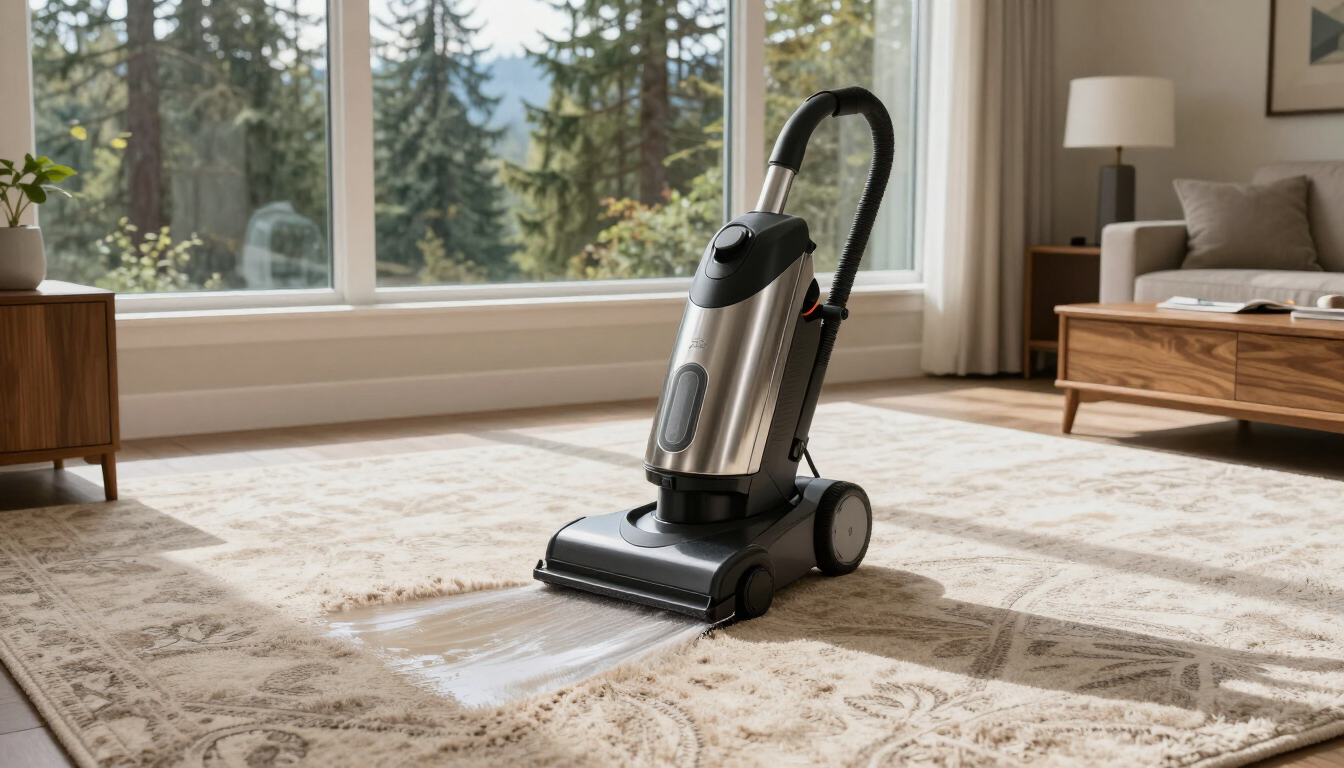
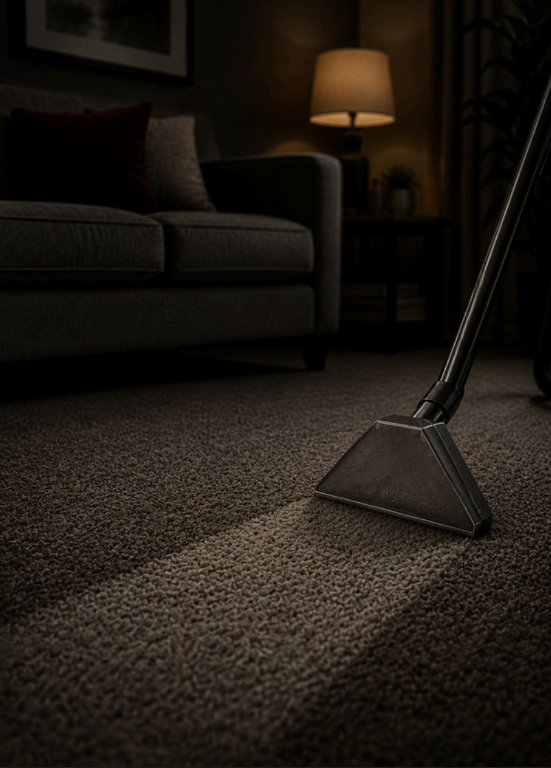
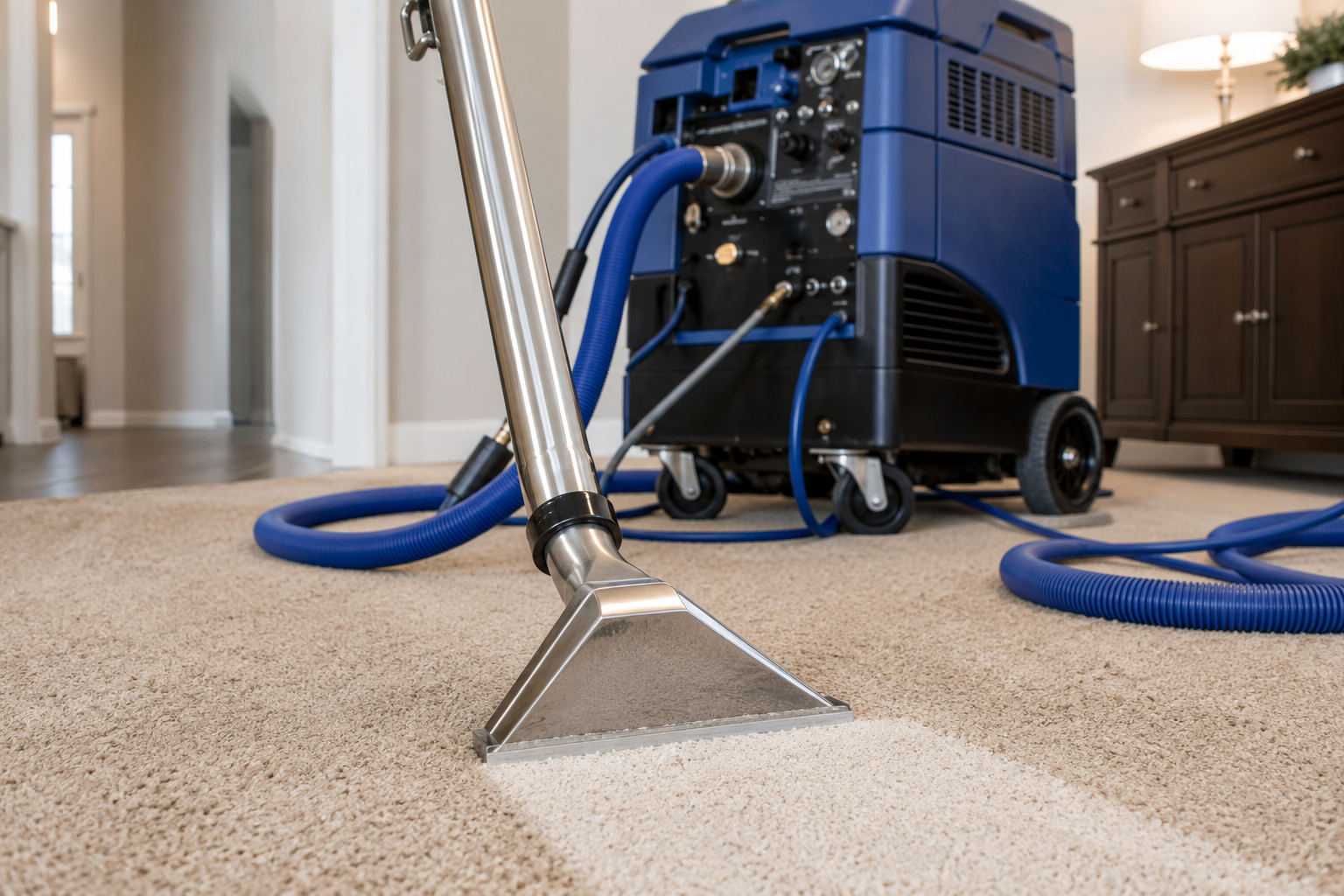
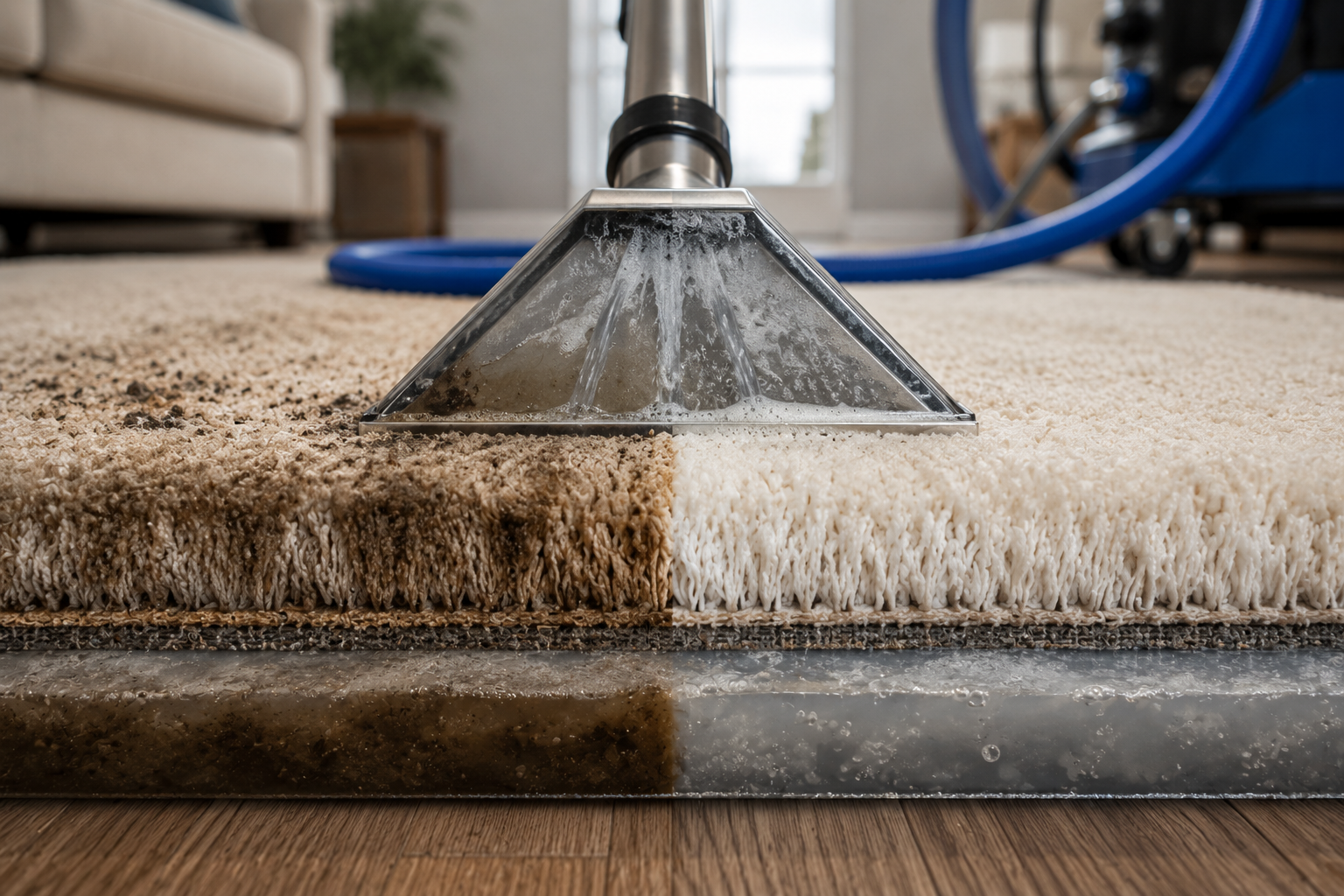
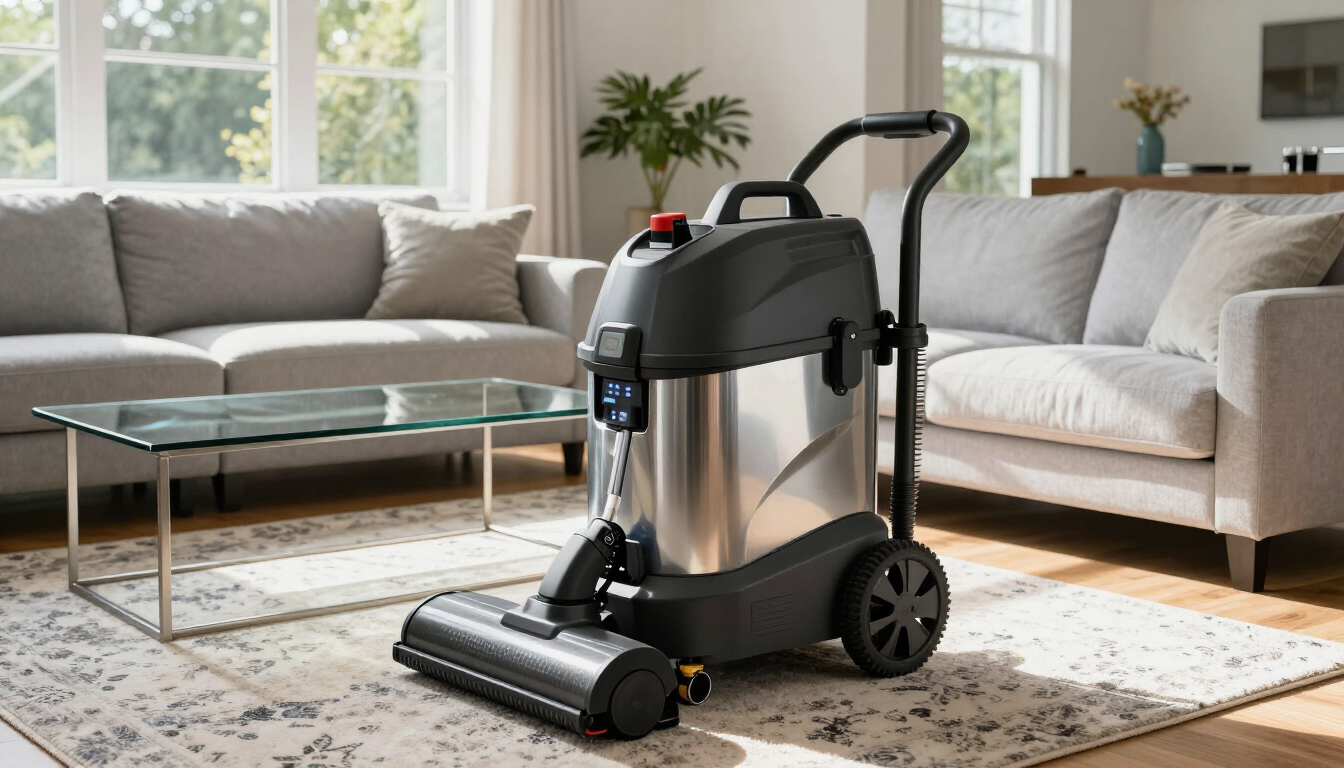
Professional truckmount systems use high-temperature water (steam) and specific pH-balanced cleaning agents to emulsify these oils. Once the bond is broken, the high-powered suction of a professional machine extracts the water, the oils, and the trapped allergens completely. If you only vacuum, you are leaving behind the most irritating and damaging components of the carpet’s load. For a truly healthy home, vacuuming must be supplemented by professional extraction at least once or twice a year, depending on your household's activity level and pet population.
Benefits of professional IICRC-certified steam cleaning
Choosing a certified professional makes a world of difference in the health outcome of your cleaning. IICRC (Institute of Inspection, Cleaning and Restoration Certification) standards ensure that the technician understands the chemistry and physics of soil removal. For Everett residents, using an owner-operated service means you get this expertise applied with a level of detail that larger franchises often miss. The benefits of this professional approach extend far beyond just appearance.
First, the heat used in professional steam cleaning (often exceeding 200 degrees Fahrenheit) is effective at neutralizing many biological contaminants. This thermal sanitization is a key component in reducing the bacteria and virus load in your home. Second, professional-grade extraction ensures that your carpets dry quickly. In the Everett area, slow-drying carpets can become a breeding ground for mold, so the high-powered vacuum of a truckmount system is essential for a safe result.
Third, professional cleaning removes the deeply embedded abrasive soils that shorten the life of your carpet. By removing this grit, you are protecting your investment and ensuring your floors look and feel better for years longer. Finally, the improvement in indoor air quality is immediate. Many of our clients report that their homes "smell cleaner" and their allergy symptoms subside shortly after a deep clean. This isn't just a placebo effect; it is the direct result of removing pounds of dust and allergens from the indoor environment. Whether you need carpet care or upholstery cleaning , the goal remains the same: a cleaner, healthier, and more comfortable home.
How often should Everett residents clean their carpets for health?
The frequency of professional cleaning depends on your specific lifestyle, but there are general health-based guidelines you should follow. For a standard household in Everett with two adults and no pets, an annual professional cleaning is usually sufficient to maintain air quality. However, if you have children or pets, that frequency should increase to every six to nine months. Pets track in significantly more outdoor pollutants and contribute dander and hair that can quickly overwhelm a carpet's filtering capacity.
For residents with respiratory conditions like asthma or severe seasonal allergies, cleaning every six months is highly recommended. The local pollen counts in Washington can be quite high, and keeping your "indoor filter" clean during these peak seasons can significantly reduce your symptom load. Additionally, if you have recently completed a home renovation or live near a high-traffic road in Everett, you may need more frequent cleanings to manage the influx of fine construction dust or urban soot. Regular maintenance is always more effective—and often more affordable—than waiting until the carpet is visibly soiled and the air quality has already plummeted. If you have questions about your specific needs, feel free to contact us for a personalized assessment.
Summary of Carpet Health Takeaways
To maintain the best possible indoor air quality in your Everett home, remember that your carpet is a vital component of your home's filtration system. It traps the allergens that would otherwise circulate in your breathing zone, but it requires professional maintenance to function correctly. By following these steps, you can ensure a healthier living environment for your family:
- Identify the load: Recognize that dust mites, pet dander, and local pollens are constantly accumulating in your floors.
- Go beyond vacuuming: Understand that while vacuuming is essential for maintenance, it cannot remove the oily bonds that hold allergens in place.
- Choose professional extraction: Utilize IICRC-certified steam cleaning to sanitize and deeply extract pollutants from the carpet pile.
- Maintain a schedule: Clean your carpets every 6 to 12 months based on your household's unique needs and health requirements.
- Prioritize quality: Work with an owner-operator who uses professional truckmount equipment to ensure the highest soil removal and fastest drying times.
Investing in regular professional cleaning is an investment in your family's health. By keeping your carpets clean, you are ensuring that the air you breathe is as fresh as the Washington outdoors.
Recent Posts