
Why Your Couch Still Smells After Cleaning (5 Ways)
Your couch still smells because home cleaning often only reaches the surface, leaving organic matter and bacteria trapped deep within the foam and fabric fibers. These contaminants require high-temperature extraction and specific pH-balanced solutions to fully break down and remove the source of the lingering odor.
Why does my couch still smell after cleaning it?
It is incredibly frustrating to spend hours scrubbing your furniture only to have that familiar, unpleasant scent return as soon as the fabric dries. Many homeowners in Everett find themselves in this exact position, wondering why their hard work didn't yield the fresh results they expected. The reality of upholstery construction is that it is far more complex than a simple flat surface. A standard sofa consists of the outer upholstery fabric, a layer of batting or polyester wrap, and thick polyurethane foam cushions. When you perform a surface clean, you are only addressing the outermost layer.
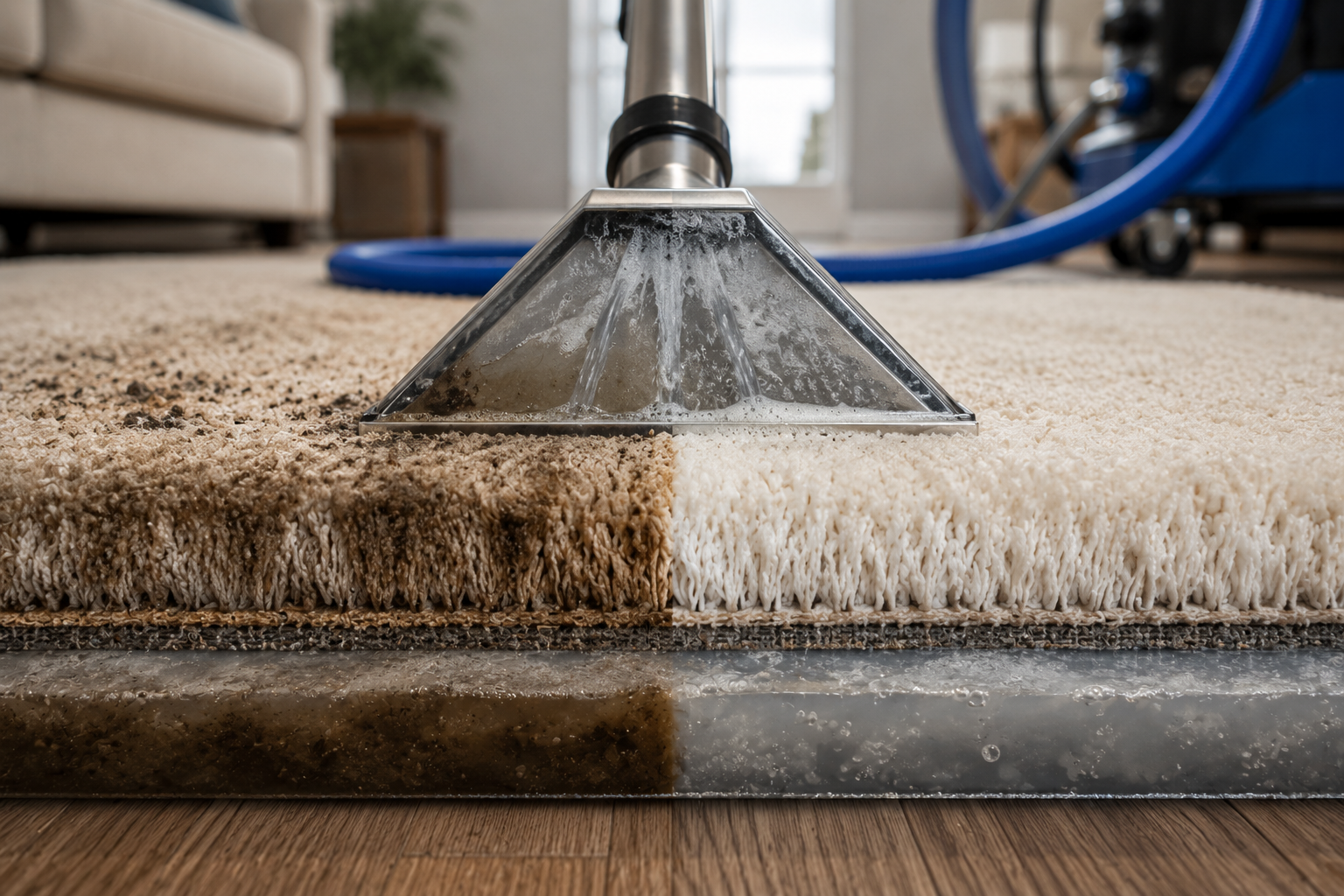
Odors are rarely just on the surface. They are comprised of microscopic particles—proteins, lipids, and bacteria—that gravitate toward the most absorbent materials. If a pet had an accident or a drink was spilled, the liquid follows gravity, pulling the odor-causing molecules deep into the foam core. Surface scrubbing might make the fabric look better temporarily, but it does nothing to address the "reservoir" of scent trapped two or three inches deep. As the fabric dries and air circulates through the cushions, those trapped molecules are released back into your living space, leading to the question: why your couch still smells despite your best efforts. To truly eliminate these smells, you need a process that reaches beyond the surface, which is why upholstery cleaning professionals use specialized tools designed for deep-tissue extraction.
Hidden causes of persistent upholstery odors
There are several scientific reasons why odors persist in furniture even after a superficial cleaning. One of the most common is the "wicking" effect. Wicking occurs when the decorative fabric on top is cleaned and left wet, but the deep-seated soil in the padding remains. As the surface fabric dries, it acts like a candle wick, drawing the moisture and the dissolved dirt/odors from the padding back up to the surface. This is why you might see a stain or smell an odor return 24 hours after the couch has "dried."
Another hidden cause is the presence of Microbial Volatile Organic Compounds (mVOCs). These are the gases produced by bacteria and fungi as they digest organic matter trapped in your couch. If your cleaning method didn't include an antimicrobial treatment or high enough heat to kill these organisms, they will continue to thrive in the damp environment created by your cleaning attempt. Common household odors often stem from:
- Accumulated body oils and dead skin cells (keratin)
- Pet dander and dried saliva embedded in fibers
- Microscopic mold growth from high humidity or spills
- Cooking grease that has settled from the air
- Residual cleaning chemicals that have turned rancid
Can deep-seated bacteria survive DIY cleaning?
In most cases, the answer is a resounding yes. Most retail carpet and upholstery cleaning machines, while convenient, lack the thermal power and suction necessary to neutralize bacterial colonies. Bacteria love the dark, porous environment of a sofa cushion. When you apply a DIY cleaning solution, you often provide these microbes with exactly what they need to multiply: moisture and a food source (the organic dirt already present).
Furthermore, many over-the-counter cleaners are not formulated to break down the specific chemical bonds of proteins found in pet urine or sweat. Without enzymatic breakdown or extreme heat, the bacteria remain dormant until moisture is reintroduced. This is why a couch might smell "fine" when it's bone dry but suddenly begins to reek on a humid Everett afternoon. The humidity provides enough moisture to reactivate the bacterial off-gassing process. Professional steam carpet cleaning and upholstery care utilizes water temperatures often exceeding 200 degrees Fahrenheit, which is significantly more effective at sanitizing surfaces than lukewarm tap water used in home rentals.
The science of the wicking effect in furniture
To understand why the smell lingers, we must look at how moisture behaves within fabric. When you spray a cleaning solution on your couch, the liquid spreads laterally across the fibers and vertically down into the backing. If you do not have a professional-grade vacuum system to pull that liquid back out, the moisture sits in the dense foam. The foam acts as a sponge, holding onto the water and any dissolved contaminants.
As the room's air evaporates the moisture from the top layer of the fabric, a pressure imbalance is created. This pulls the moisture from the saturated foam back toward the surface. Along with that moisture come the very smells you were trying to eliminate. This cycle can happen repeatedly until the deep-seated contaminants are physically extracted from the foam. This is a primary reason why DIY attempts often fail to provide a long-term solution for odors.
Common mistakes in DIY sofa cleaning
Many homeowners inadvertently make the odor problem worse by using incorrect techniques. While the intention is to save money and maintain a clean home, these common errors can lead to permanent damage or intensified smells that require professional intervention to fix. If you are attempting to clean your own furniture, be aware of these pitfalls:
- Over-saturation: Drenching the fabric allows water to reach the wooden frame or deep foam where it cannot dry quickly.
- Wrong pH levels: Using high-alkaline soaps on natural fibers like wool or cotton can "lock in" odors and damage the fabric.
- Inadequate rinsing: Leaving soap residue behind creates a sticky magnet for new dirt and can eventually smell sour.
- Slow drying times: If a couch stays damp for more than 24 hours, you risk the growth of mildew and new bacteria.
- Using scent-masking agents: Febreze and similar products cover the smell but do not remove the biological cause.
How does professional steam cleaning remove odors?
Professional upholstery cleaning is a multi-step restorative process rather than a simple wipe-down. As an IICRC certified owner-operator, I follow a specific protocol designed to neutralize odors at their source. We begin with a high-powered dry vacuuming to remove the loose particulate matter that often contributes to the smell. This is followed by a pre-conditioning treatment that breaks down oils and proteins.
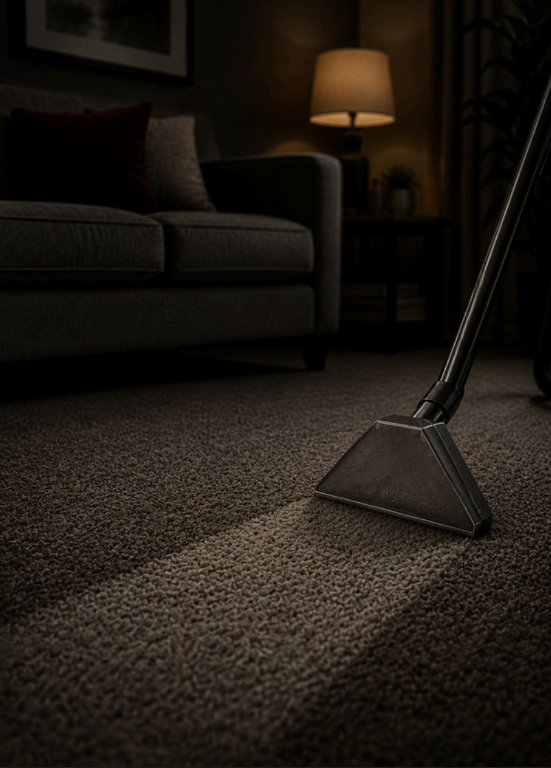
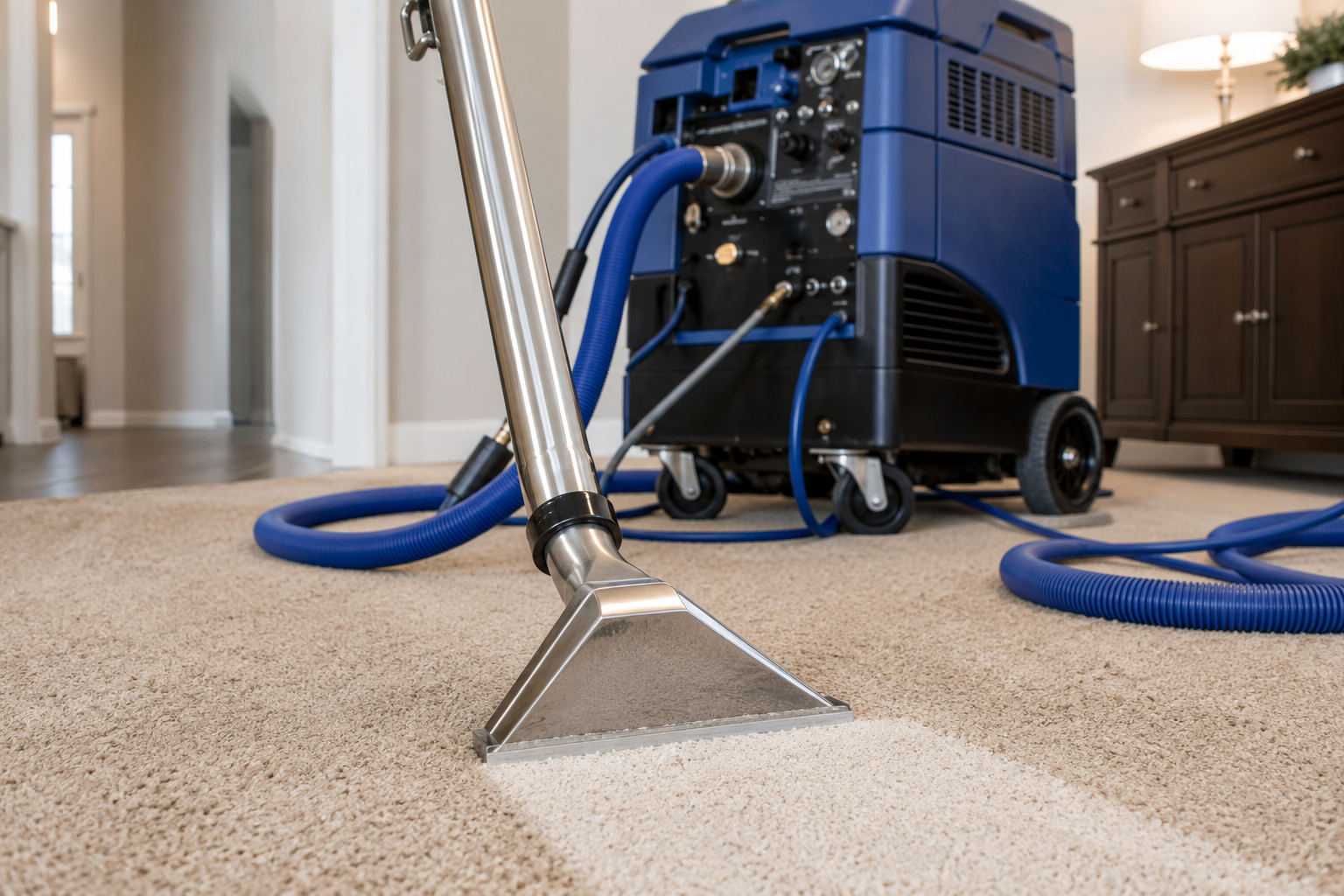
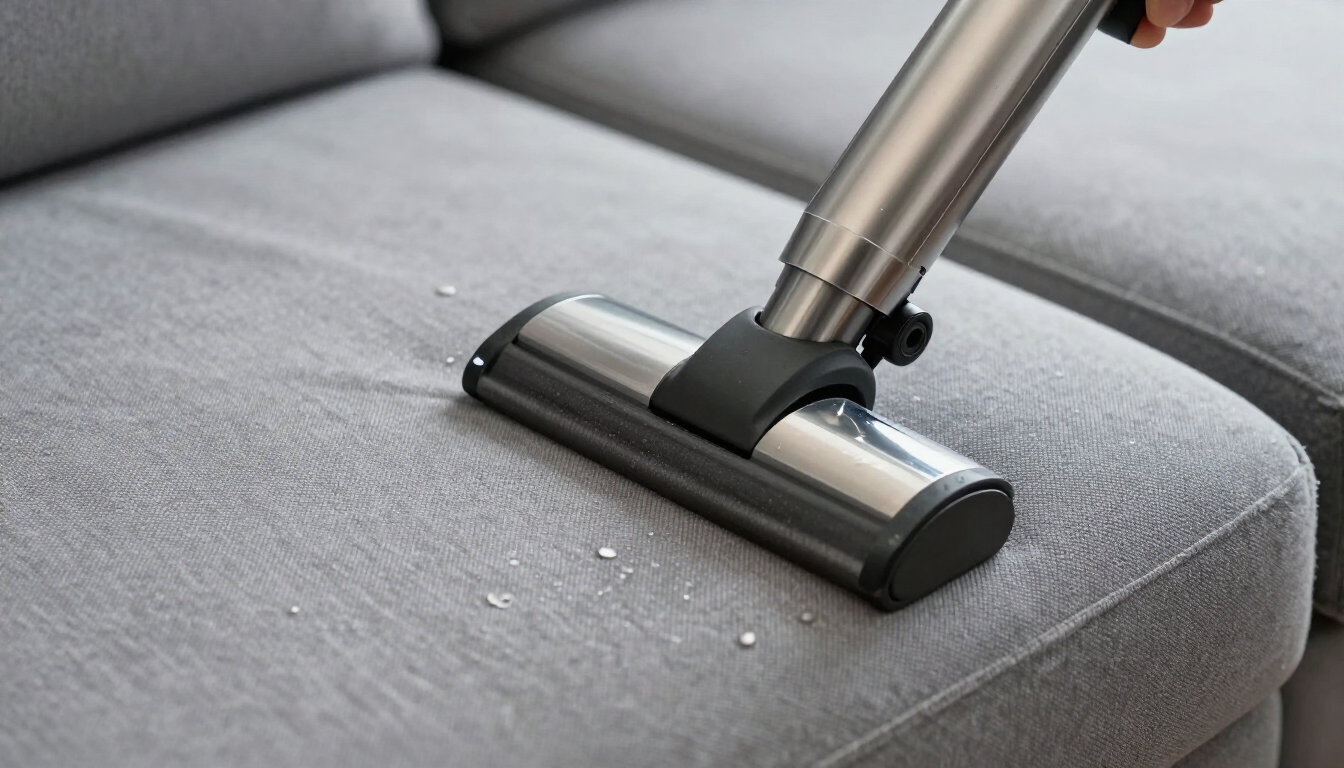
Next, we use a specialized upholstery tool that focuses the steam and suction directly onto the fabric, ensuring we don't over-wet the underlying foam. The truckmount equipment provides consistent heat and vacuum pressure that home units simply cannot match. This heat kills bacteria and dust mites on contact, while the suction removes the suspended soil and moisture. By significantly reducing the drying time, we prevent the wicking effect and the potential for mold growth. Our services are tailored to the specific fiber type of your furniture, ensuring a safe and effective deep clean every time.
Benefits of IICRC certified upholstery care
Choosing a certified professional means you are getting a technician who understands the chemistry of cleaning. The Institute of Inspection, Cleaning and Restoration Certification (IICRC) sets the global standards for the industry. This certification ensures that the person cleaning your home understands fiber identification, dye stability, and the appropriate cleaning agents for every situation.
When a couch still smells after cleaning, it often indicates a failure in one of these technical areas. A certified cleaner will assess the situation, identify the source of the odor—whether it be pet-related, smoke-based, or microbial—and apply the correct neutralizing agent. Furthermore, as an owner-operated business, you get the benefit of direct accountability. Every square inch of your upholstery is treated with the detail-focused workmanship that comes from someone who truly cares about the reputation of their local Everett business.
Is lingering odor a sign of mold growth?
It is a distinct possibility. If you cleaned your couch and it now has a "musty" or "earthy" smell that wasn't there before, you may have inadvertently triggered mold or mildew growth by over-wetting the cushions. Mold spores are present in almost every environment, but they remain dormant until they find moisture and a food source. A damp sofa cushion in a room with poor airflow is the perfect incubator.
If mold has begun to grow inside the foam, the smell will persist regardless of how many times you clean the surface fabric. In extreme cases, if the foam is thoroughly infested, the cushions may need to be replaced entirely. However, professional-grade drying fans and deep extraction can often catch the problem before it becomes permanent. If you notice a musty scent, it is vital to act quickly to dry the piece and treat it with a professional-grade sporicide to ensure your home's air quality remains healthy.
Vital takeaways for a fresh-smelling home
Maintaining a clean and odor-free home requires more than just reactive cleaning; it requires the right tools and knowledge. If you find that your couch still smells after your best cleaning attempts, it is time to stop the cycle of wetting and drying which can lead to fabric degradation and mold. Instead, consider the value of a professional deep clean that addresses the root causes of the problem. A professional service not only removes the smell but also extends the life of your furniture, saving you money in the long run. To get started on restoring your home's comfort, you can contact us for a personalized evaluation of your upholstery needs.
Summary of why odors persist:
- Deep Seepage: Liquid contaminants travel into the foam where surface cleaning can't reach them.
- The Wicking Effect: Soil from the backing is pulled to the surface as the fabric dries.
- Bacterial Colonies: Lack of heat in DIY machines fails to kill odor-producing microbes.
- Chemical Residue: Leftover soap can become a source of odor as it attracts organic matter.
- Microbial Growth: Excessive moisture leads to mold and mildew inside the cushion structure.
Understanding these factors is the first step toward a truly clean home. By moving beyond surface-level aesthetics and focusing on deep-fiber hygiene, you can ensure your living space is not only beautiful but also healthy and fresh-smelling for years to come. Whether you are dealing with pet accidents, smoke, or just years of accumulated life, there is a solution that works. Don't let a smelly couch ruin your indoor environment; reach out to a professional who has the experience and equipment to do the job right the first time. Our team is dedicated to providing the Everett area with the highest quality care, ensuring that when we leave, your home smells as clean as it looks.
Recent Posts